


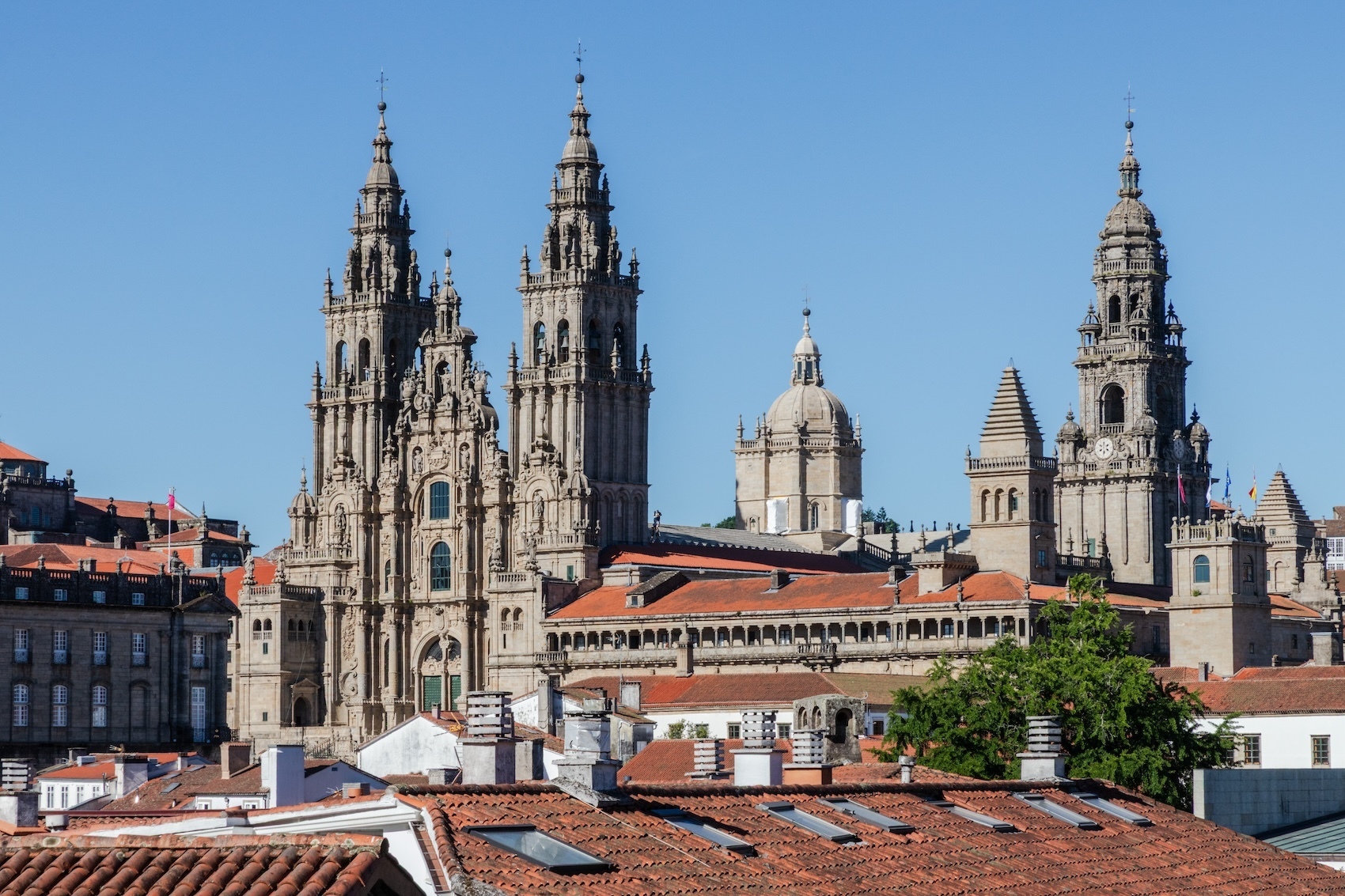
Yesterday many Christians celebrated the Feast of St. James. This day commemorates James the Great, one of Christ’s 12 apostles.
For over 1000 years, believers have been visiting Santiago de Compostela. There, tradition holds that the apostle preached in Spain before his martyrdom, or that his relics were later translated there. Whatever your view of the historicity of these traditions, there is something deeply moving about following in the footsteps of generations of faithful pilgrims.
The Way of St. James (Camino de Santiago in Spanish) has skyrocketed in popularity in recent years. In 2025, a record 530,987 pilgrims completed the route and received the traditional certificate of completion. Although it has long been associated with Roman Catholicism, Protestants are increasingly making the pilgrimage as well.
It has also become an industry of sorts. Many pilgrims still stay in simple hostels with all their belongings in their backpacks, but others clearly opt for a more comfortable experience. Luxury travel companies are now selling packages starting at $10,000, complete with five-star hotels, gourmet meals, luggage transportation and support vehicles to track pedestrians from village to village.
Again, this is not a modern phenomenon. Medieval pilgrimages had their own luxury goods markets. Wealthy people can receive indulgences by paying others to travel on their behalf. It doesn’t seem like much has changed over the past thousand years.
Earlier this summer, I spent a few days in Galicia, the region around Santiago de Compostela in northwest Spain.
Santiago is home to a cathedral, the Metropolitan Cathedral of Santiago de Compostela. Its towering interior leaves an indelible impression, especially considering the countless believers who have worshiped there over the centuries.
The cathedral is also home to one of Christianity’s most remarkable liturgical shows, a giant swinging censer or incense burner known as a botafumeiro. Weighing approximately 116 pounds and standing approximately 65 feet tall, it is swung around by a team of attendants on selected holy days each year, including Patron’s Day on July 25th.
Common tradition holds that censers originated in the Middle Ages, when clergymen would burn large quantities of incense throughout cathedrals to minimize the bad odor of arriving pilgrims.
But I wouldn’t make Santiago de Compostela the centerpiece of a return visit.
Some of it is practical. During my visit, the city felt overwhelmed with tourists. Some completed their pilgrimages by walking hundreds of miles through Spain, France, and Portugal. they have arrived.
But many others were just tourists checking another famous destination off their list. As a result, cities often felt distractingly crowded.
There was another disappointment. Santiago de Compostela’s municipal leaders are unabashedly anti-Israel, to the point of being anti-Semitic. It can never be ignored. Luckily, the rest of Galicia has plenty to see and do. Also, local governments do not share the same politics.
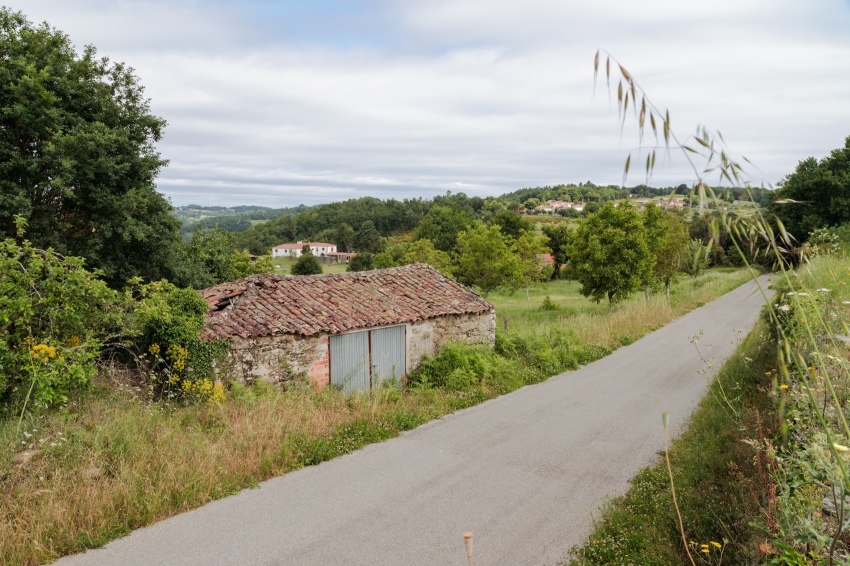
Once you leave Santiago de Compostela and rent a car, the crowds will soon disappear. Galicia feels relatively neglected, at least compared to other parts of Spain where overtourism is a serious problem.
You can drive from the vineyards to the medieval abbey in one afternoon without rushing.
The food and wine scene alone can justify this trip.
Given its location, the cuisine revolves around the sea. Think of the catch of the day: octopus and scallops. As in other parts of Spain, dinner rarely starts before 9pm. I’m used to eating at 6 or 7 so I found it took a little getting used to.
There are two famous wine appellations in this region. Forget about the well-known Spanish red wine of Rioja. White wine is king here. Along the coast, Rias Baixas produces crisp, mineral Albarino wines that pair beautifully with seafood. Inland, in Ribeira Sacra, vineyards lie on steep slopes overlooking the Mino and Sil rivers. Besides Albarino, another typical grape is Godello. Depending on the producer and style, the wine can resemble a dry Riesling or Sauvignon Blanc.
One of the best ways to discover the real Galicia is to plan a road trip around Spain’s paradores (historic monasteries, castles, and palaces that have been converted by the government into luxury hotels).
Start by spending one or two nights at the Parador de Santiago de Compostela. Founded in 1499 as a pilgrim’s accommodation, this 5-star hotel is located next to the cathedral, overlooking the Workshop Square. The best time to visit the cathedral is during daily 7:30am mass. Stroll through the medieval streets before the crowds arrive.
Then, head south towards the 4-star Parador de Santo Estebo.
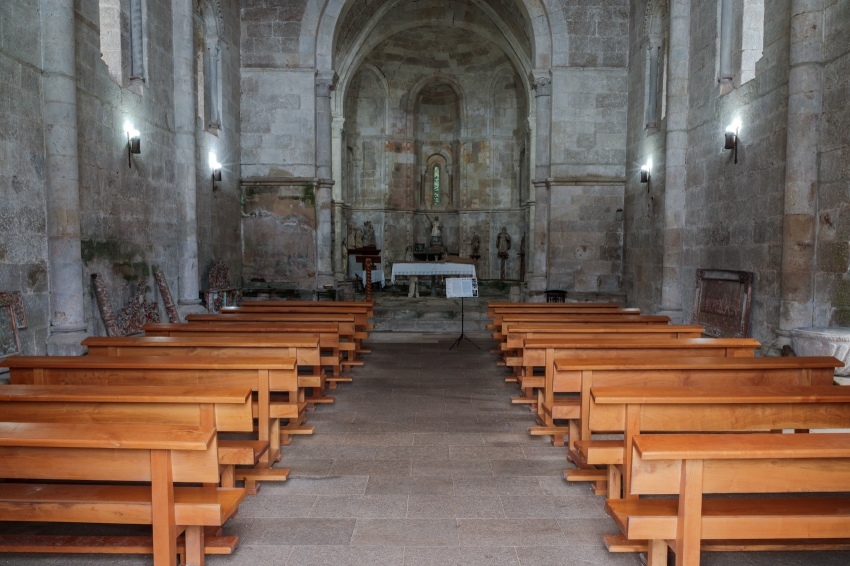
Located in the heart of the Ribeira Sacra wine appellation, this former convent offers a completely different experience. Spend a day or two touring wineries, driving along scenic roads, and visiting ancient churches, including Romanesque churches such as the Basilica of San Pelagius in Diomondi and the Basilica of San Stefano in Rivas de Minho.
Proceed to Tui. The 12th-century Cathedral of St. Mary dominates the cityscape, overlooking the Minho River that forms the border with Portugal. The crenelated walls and defensive exterior reflect centuries of conflict. The crowd here is noticeably smaller than in Santiago de Compostela.
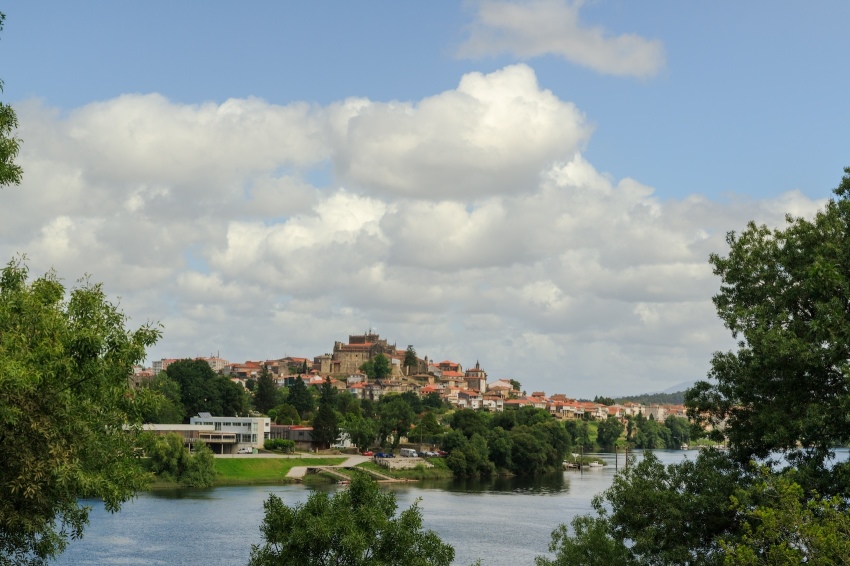
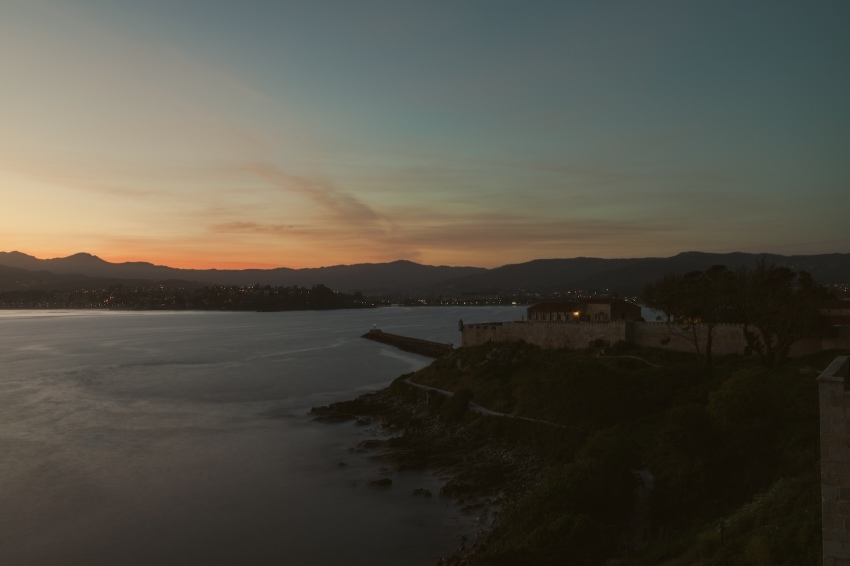
Finish your trip at Parador de Baiona. Set in a beautifully preserved medieval fortress over the sea, this 4-star hotel combines centuries of history with stunning views. It was my favorite hotel of the entire trip.
Baiona itself occupies an important place in history. In March 1493, the Pinta arrived in port, bringing the first news that Christopher Columbus had reached the New World. The town proudly commemorates the moment when Europe first learned of this great discovery.
If you go
United Airlines offers seasonal nonstop flights three times a week between its hub at Newark Liberty International Airport and Santiago de Compostela. Meanwhile, Delta Air Lines partner KLM Royal Dutch Airlines flies seasonally from Amsterdam and can reach Galicia with one or two connections from many U.S. airports.
Unfortunately, in rural Galicia it is not uncommon for historic churches to be locked, which can make visiting them difficult. You may want to consider hiring a guide who can coordinate with the key fob owner to arrange access.
Pilgrims and other groups visiting Santiago de Compostela’s Metropolitan Cathedral can pay about $500 to see a botafumeiro outside of regularly scheduled public holidays. In addition to regular worship, English Mass is held at 10:30 a.m. every day except Wednesdays.
Protestant services are provided by the Episcopal Pilgrim Center at St. Felix Church in Solovio. Dating back to 997 AD, this church is believed to be the oldest church in Santiago de Compostela. However, during my visit, the church was not open and the scheduled weekday service at 4pm was not held. The Church of England also runs a small bed and breakfast aptly named the Anglican Pilgrim House.
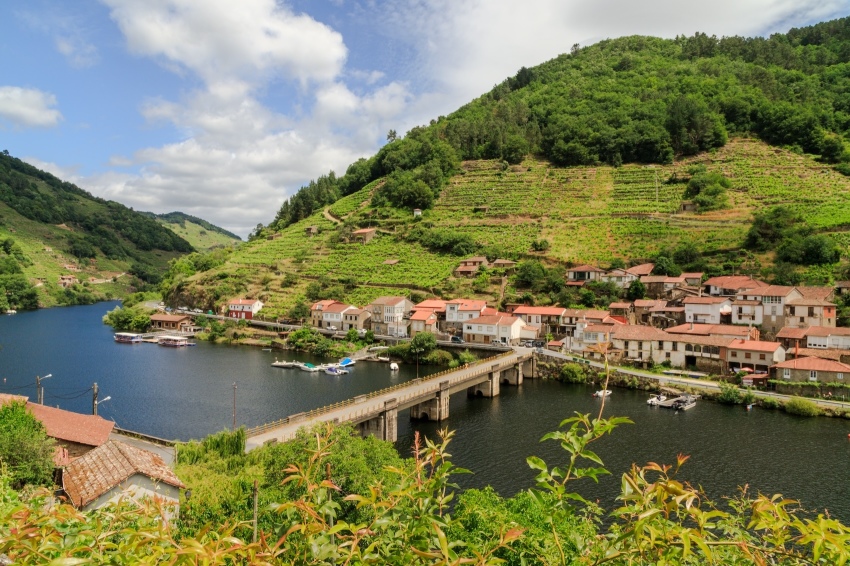
In the Ribeira Sacra appellation, visit Via Romana, if only for the spectacular views. Tasting experiences at Grand Bazan, Mar de Frades and Terras Gauda are all highly recommended in Rias Baixas.
Dennis Lennox writes a travel column for The Christian Post.
Dennis Lennox writes about travel, politics, and religious issues. He has been published in publications such as the Financial Times, Independent, Detroit News, and Toronto Sun. Follow @dennislennox on Twitter.
