


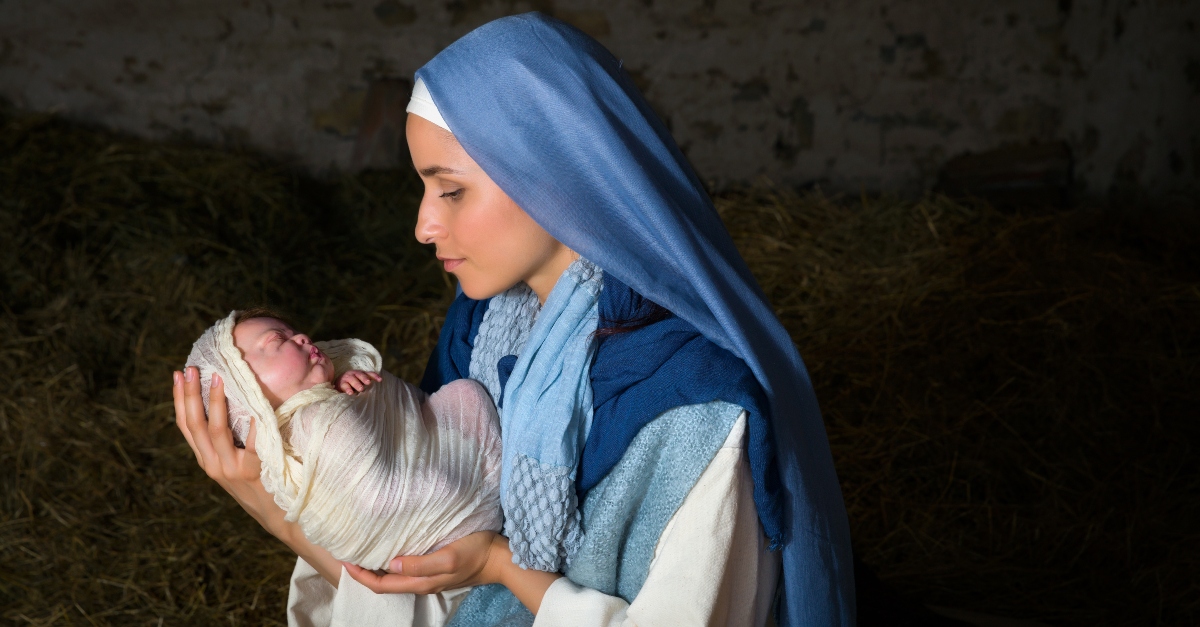
Jesus’ earthly life is filled with powerful moments of compassion, truth, and transformation, but one of the most striking themes in the Gospels is how Jesus valued and respected women. In a culture where women are often ignored or valued less than them, Jesus consistently showed respect, consideration, and deep love. From healing and teaching to welcoming and restoration, Jesus broke down social barriers and revealed the heart of God in ways that are still talked about today.
Throughout Jesus’ life, women played a faithful and meaningful role in his story. They supported the Lord in His ministry, accompanied Him in His sufferings, and were among the first to witness His death and resurrection. Their dedication highlights a powerful truth. Not only did Jesus love women, but He included them in His mission. These stories remind us that God’s call to obey Him and share His truth is for everyone.
Here are women who loved Jesus and were involved in his life from his birth to his resurrection. Their story shows that Jesus did not treat women as background characters in the gospel stories. Jesus welcomed them, taught them, healed them, honored them, and entrusted them with a meaningful witness.
Photo credit: ©Getty Images/Studio-Annika
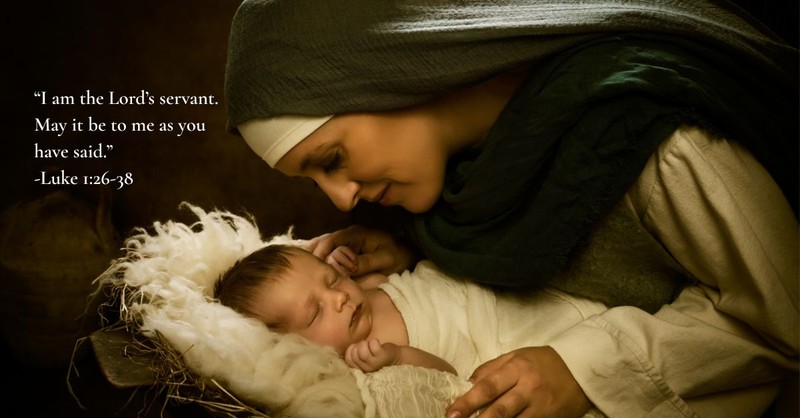
mary mother of jesus
Mary was chosen by God to bring His Son into the world. Although she was young, her obedience and courage to do whatever God asked her to do was amazing. The Bible says she “found favor with God.” And although her own heart must have wrestled with many “hows” and “whys,” she responded to the Lord’s call by saying, “I am the Lord’s servant, and as you tell me, it shall be done to me.” (Luke 1:26-38)
On Elizabeth’s first visit, she began singing a powerful song of praise to God. This song is widely known today as the “Magnificat.” (Luke 1:46-55) The Bible goes on to describe Christ’s birth and childhood and how Mary “treasured all these things and meditated on them in her heart.” (Luke 2:19) And just as this strong, loving mother watched her baby take its first breath, the Bible reveals that she too watched her suffer and take its last breath. What courage and strength she had! Embraced by a mighty god, she was entrusted with raising the savior of the world.
Photo credit: SWN (via CanvaPro)

Elizabeth, mother of John the Baptist
The Bible records that this close relative of Mary conceived a son at a critical time in history, after years of not being able to bear a child. God’s timing is perfect because John the Baptist was destined to be a forerunner of Christ Himself. When Elizabeth heard Mary’s greeting during her visit, the Holy Spirit filled her and blessed Mary and her son, praising God, as the Bible says, “The baby leapt in her womb.” (Luke 1:39-45)
Photo credit: ©Unsplash/thenata

Anna, the prophetess who recognized Jesus
The Bible says that this woman was a widow for many years after her husband’s death, and “did not leave the temple, but worshiped day and night, fasting and praying.” (Luke 2:37) In her intimate personal walk with God, when she saw Jesus with her parents in the temple, she immediately knew that she was looking at the One chosen to save us. “At that very moment she came to them and thanked God and spoke of the Son to all who were looking forward to the salvation of Jerusalem.” (Luke 2:38) She knew and recognized the Savior, drew near to Him, thanked and praised God for His salvation.
Photo credit: ©GettyImages/Tinnakorn Jorruang

Mary and Martha Friends and Followers of Jesus
These sisters, along with their brother Lazarus, were friends and followers of Jesus throughout his ministry. He loved them, visited their homes, they served and entertained him, and we know some stories that reveal more about their lives. From the powerful miracle of raising Lazarus to life after three days of death to the famous story of Mary resting at Jesus’ feet while Martha was busy working (Luke 10:38-42), these women faithfully honored and served Jesus throughout their time with Him. Through these two powerful words, “Jesus wept,” the Bible shows Jesus’ deep love for his friend as he felt grief-stricken and filled with compassion over the pain of Lazarus’ death. (John 11:35)
Photo credit: ©Unsplash/Yuri Figueiredo
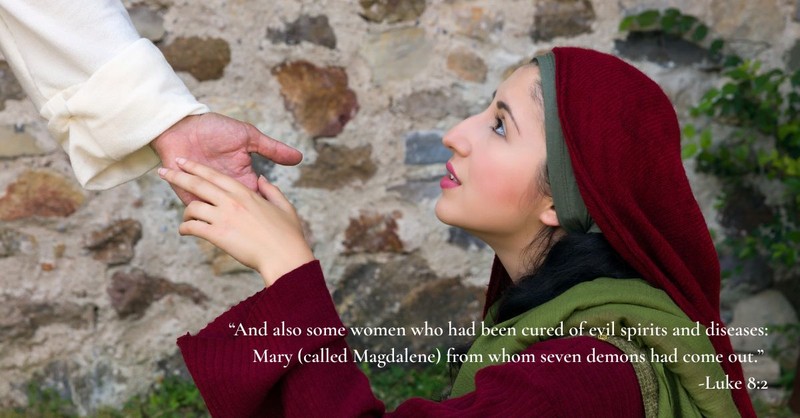
Mary Magdalene Faithful Witness of the Resurrection
Luke 8:2 tells us that Jesus delivered Mary Magdalene from seven demons, and that she faithfully followed Him for the rest of her life. She was one of the group of women who were at the foot of the cross (John 19:25) and who came to the empty tomb early that morning to find Christ resurrected (John 20:1). John 20:10-18 states that she was the first person to whom Jesus appeared after his resurrection and commanded her to go and tell others. In the Bible, she is usually mentioned first in a list of names, possibly indicating that she was the leader of Christ’s followers.
Photo credit: SWN Design (via Canva Pro)
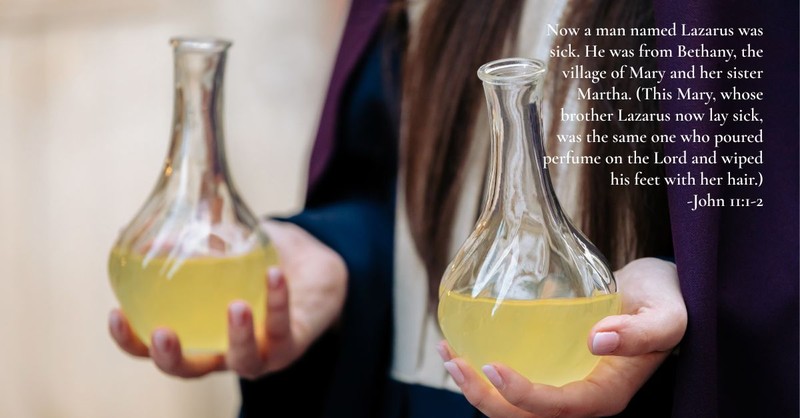
Mary of Bethany and the woman who anointed Jesus
The Bible names this woman Mary of Bethany and points out that it took place in this city where Lazarus lived. (John 12:1-8) According to John 11:1-2, Martha is mentioned as serving there, and many believe this indicates that it was Sister Mary who anointed Christ with the costly ointment. Others believe that the Bible refers to her as a “sinful woman” (Luke 7:36-50), a reference to Mary Magdalene and her previous life before Christ rescued her. Either way, it is a beautiful symbolic representation, reminding us to worship Jesus as King and prepare his body for the death and burial we will soon face. Those who watched this event unfold had no idea what it really meant, but clearly God led Mary of Bethany to lovingly pour out the costly ointment at the feet of the Lord, demonstrating her deep love for Him and preparing Him for what was to come.
Photo credit: SWN Design (via Canva Pro)

Joanna and Susanna Women who supported Jesus’ ministry
These women, along with Mary Magdalene, were healed by Jesus and delivered from demons. The Bible says that they were with Jesus and his disciples as they traveled from town to town, and “supported them with all their means.” (Luke 8:3) Behind the scenes, they zealously supported Christ’s message by helping to financially meet the needs of those they served. Joanna held an important position as the wife of Chuza, the administrator of the Herod family. I can’t help but think that God placed her and many others in important positions of authority and means to provide for the financial needs of Christ and his disciples. Joanna was also one of the women who were at the tomb after Jesus’ resurrection, and her work continued along with other believers.
Photo credit: ©Getty Images/AntonioGuillem
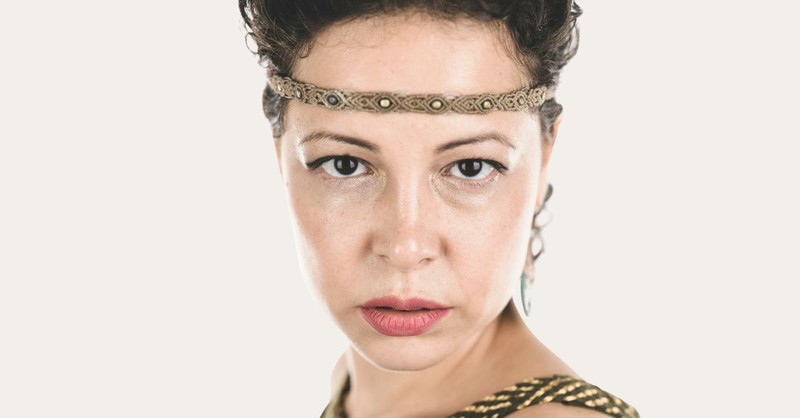
Pilate’s wife spoke of Jesus’ innocence
According to the Bible, Pilate’s wife is the only one recorded as representing Christ’s innocence in its most urgent moments. She implored her husband not to have anything to do with harming this “innocent person.” (Matthew 27:19) Her courage and obedience to God’s promptings, immediately after a disturbing dream that must have set her soul on fire, challenges us today. She was motivated to claim her innocence. She acted quickly and decisively, with wisdom and foresight, and a willingness to act. Her words fell on deaf ears by her husband, but I can only imagine how the hope of Christ and the power of His resurrection changed her life over the years.
Image credit: ©Thinkstock.com/photos.com
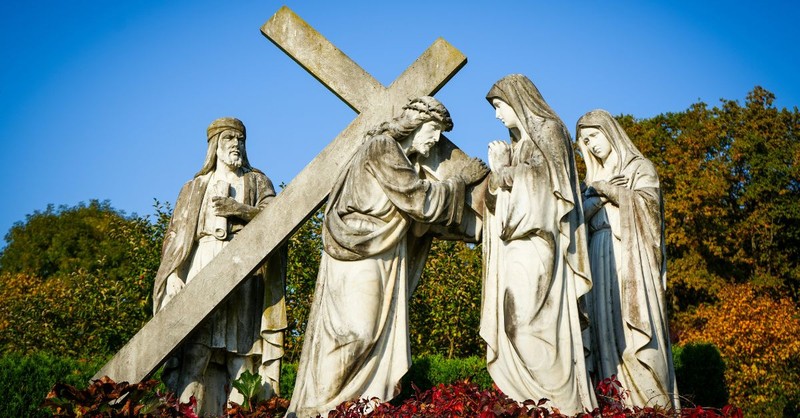
Women on the Cross and the Empty Tomb
In addition to Mary Magdalene and Mary, the mother of Jesus, the Bible names several women who went to the cross and came to the tomb after Christ’s death. “When the Sabbath was over, Mary Magdalene, Mary the mother of James, and Salome brought spices to anoint Jesus’ body.” (Mark 16:1) Salome was also known as the mother of Zebedee’s sons, James and John. And another Mary, known as the mother of James and Joseph, is mentioned here as a close follower of Christ. Joanna’s name appears in Luke 24:10 along with a group of women who discovered that Christ had risen from the dead. John 19:25 names Mary, the wife of Clopas, who may have been an aunt to Jesus, among those at the foot of the cross.
Photo credit: ©Unsplash/Nikola Tomasic
Prayer for women who love Jesus today
Dear women who love Jesus, if you are longing to know more about Jesus or are trying to follow Him today, rest assured. No matter what you face, Jesus’ heart is forever for you. He gives you hope and a future. God sees, hears, and knows your ways. And he promises to always be with you. You are powerful, called and saved not because of who you are, but because of who God is.
Dear Lord,
We want to live in your great strength, grace, and power today. Use every part of our lives as a testimony to the world of your goodness and love. Draw us closer to yourself and allow others to see your light reflected in powerful ways through everything we do, all of our being. Thank you for setting us free and giving us purpose and hope. We love you and praise your great faithfulness.
In the name of Jesus,
Amen.
Frequently Asked Questions about Women Who Loved Jesus
Who were the women who followed Jesus?
The Gospels name several women who followed Jesus, including Mary Magdalene, Joanna, Susanna, Mary and Martha, Mary the mother of Jesus, Salome, Mary the mother of James, and other faithful women. How did Jesus treat women in the Bible?
Jesus treated women with dignity, compassion, truth, and respect. Jesus healed women, taught women, welcomed women’s worship, defended their worth, and included them in his mission. Who was the first person to whom Jesus appeared after his resurrection?
According to John 20, Jesus appeared to Mary Magdalene after his resurrection and sent her to tell his disciples that he was alive. What kind of woman was on the cross of Jesus?
The Gospels name several women who were present at the cross, including Mary Magdalene, Mary the mother of Jesus, Mary the wife of Clopas, Salome, and Mary the mother of James and Joseph. What can Christian women learn from women who loved Jesus?
Christian women can learn courage, devotion, worship, generosity, faithfulness, and bold witness from the women who loved and followed Jesus from his birth to his resurrection.
For further reading
First edition published on Tuesday, April 4, 2017.

