


The battle is over. The results were not what was hoped for or expected.
In 1011 BC, King Saul and his army were defeated at Mount Gilboa. To make matters worse, Saul’s three sons, Abinadab, Machi-Shur, and Jonathan, had been killed. Jonathan, the heir to the throne, was a brave man who faithfully served his father and was loyal to his friend David, even at the cost of his future crown. The battle at Gilboa was against the Philistines, who had allied themselves with the Amalekites in a larger campaign. The prophet Samuel had recently died, and Saul was distraught, worried about his kingdom, and afraid of battle. Yet his brave troops fought bravely.
Saul wanted David dead, but David mourned his death.
When David heard the news of Gilboa, he had just returned from his own search and raid to recover Hebrew wives, including one captured at Ziklag. In contrast to King Saul, David led great feats of arms and leadership, leading his exhausted men to victory. But when messengers brought him news of King Saul’s defeat on Mount Gilboa, he was devastated. Saul tried to kill him to survive and was forced into exile, but he knew it was a great blow to Israel and the end of Saul’s dynasty. Even more shocking was the loss of his closest personal friend, the king’s son Jonathan.
Saul’s kingdom was marked by domestic turmoil, disobedience to God, and fighting the Philistines to the death. Jonathan was given one-third of Saul’s army and fought bravely against Israel’s enemies. He achieved a stunning victory in the dismount battle. Then, taking only their armor-bearers with them, they ambushed the Philistines and threw them into great confusion. This caused their troops to attack each other and eventually flee from the field in panic. It was a remarkable victory and demonstrated what battlefield leaders can accomplish by leading by example.
A special bond between warriors
Jonathan and David bonded with a bond that only warriors could understand, when the Philistines were challenging Israel in the Valley of Elah, when David first appeared as Jesse’s youngest son. The champion of the Philistines, Goliath of Gath, rallied his forces to humiliate Israel, even mocking them into deciding the battle in a one-on-one contest. David, fed up with the godless Goliath, urged Saul to release him and fight him with slings. The results were legendary.
Saul soon became jealous of David and his relationship with him became hostile, forcing him into exile. The prophet Samuel warned Saul that his disobedience would cost him the throne and the kingdom would eventually belong to David. David took refuge in enemy territory, used trickery to feign madness, and even liberated cities along the way. Jonathan warned David of the impending danger, and they entered into a lifelong covenant of allegiance as warriors, with Jonathan willing to serve David as king even though he was heir to Saul’s throne.
Saul was so jealous that he pursued David even while he was fighting the Philistines. When the Philistines again threatened the kingdom, Saul was forced to abandon his pursuit. David was given two lucky opportunities to kill the king, but each time he refused, even though Saul would have definitely killed the king. He remained faithful to God, the nation of Israel, and his lifelong friend Jonathan.
As the Philistines gathered around Mount Gilboa, Saul became angry, confused, frightened, and depressed, not an ideal situation for a commander. Jonathan and his brothers fought bravely but were killed in the battle. Saul will soon be besieged and will take part in the fate of his sons. Their bodies were stripped, mutilated, and publicly displayed on the walls of Beth Shan.
David’s memorial in song
David was distraught at the initial news, angry, crying, grieving, and refusing to eat. Once the pain of his personal loss subsided, he wrote one of the most beautiful tributes to warriors in ancient literature, as recorded in 2 Samuel 1:19-27. In what became known as the “Song of the Bow,” David praises the king as the rightful authority of the land, without mentioning Saul’s mistreatment of the king. In return, he respects their courage, government, and family. He instructs the daughters of the nation to mourn and teach generations to come for the bravery and sacrifice of those who fell in battle, to attribute their prosperity at home to them, and to consider that those who died in battle protected them in the distant fields.
At the end of the song, David adds some personal pain and emotion. He can’t find the words to express it properly, but he talks about his loyalty to Jonathan and his fond memories with him. He states that his love for Jonathan is greater than any woman he has ever known. This is not a sexual connotation, but an attempt to illustrate the inseparable bond between warriors. If you are a warrior who has built relationships in battle, you probably don’t need to explain David’s words. I can’t explain it. We’ve lived it.
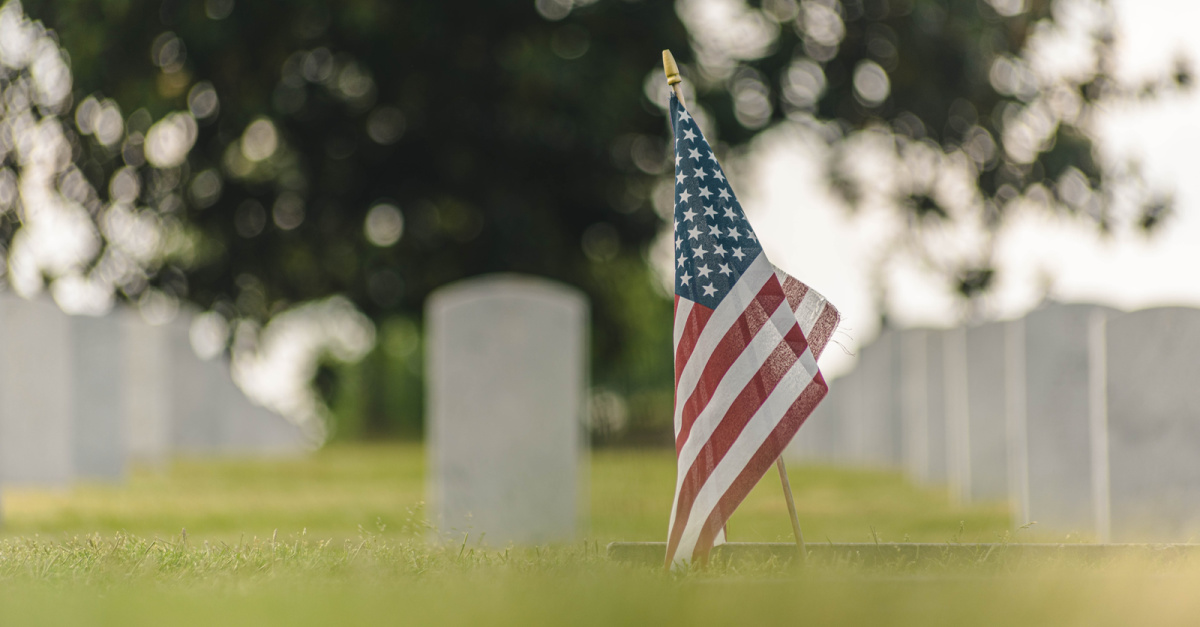
Remember our fallen soldiers on this Memorial Day
As a veteran of several wars during my 21 years in the U.S. Army Infantry, I have had the privilege of leading warriors in the fight for the peace and protection of our nation. I would like to do it again.
The cruelty of war is that while you survive in the most extreme conditions of your life, there is little time left for your emotions. Anger certainly does, but other things don’t. I can’t dwell on it too much. What is hurtful is quickly replaced by something humorous, mundane, or even mundane. Creepy is downplayed. Memories and emotions are repressed and buried, perhaps for another day, or a year, or even a decade.
People back home, people who aren’t veterans, don’t understand that. The soldiers you serve with do that, but often don’t want to bring it up again. In other words, we carry the memories of our fallen friends that Americans will never know. They are some of the finest and most selfless people our country has ever produced, and they have sacrificed so that others can live without them in a future of peace and freedom. We know them and we see them every day. You never get a chance to say “goodbye” to them.
This Memorial Day, while you’re enjoying vacations, lakeside leisure, family get-togethers, and the flood of used car ads and mattress sales, take a few notes from David’s “Bow Song.” Honor our fallen soldiers, tell of their bravery, tell about their families, tell our children their stories, and be thankful for the freedoms we enjoy because of their sacrifice and service.
Photo credit: Chad Madden/Unsplash
Steve Russell, a retired U.S. Army officer and former member of Congress, is the director of JAARS (Jungle Air and Relay Station), a 75-year-old aviation and logistics agency that provides active support to one-third of mission aviation operations around the world.
