Following a magnitude 7.8 earthquake in the southern Philippines on Monday, June 8, The Church of Jesus Christ of Latter-day Saints is coordinating efforts to provide relief to those affected in the country.
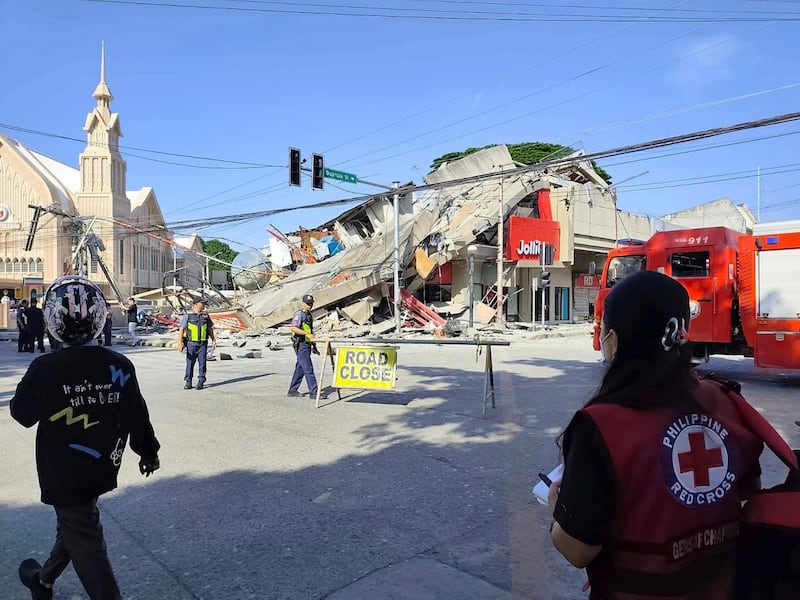
The earthquake was the largest to hit the Philippines this year, with its epicenter off the coast of Mindanao, the second most populous island in the Philippines.
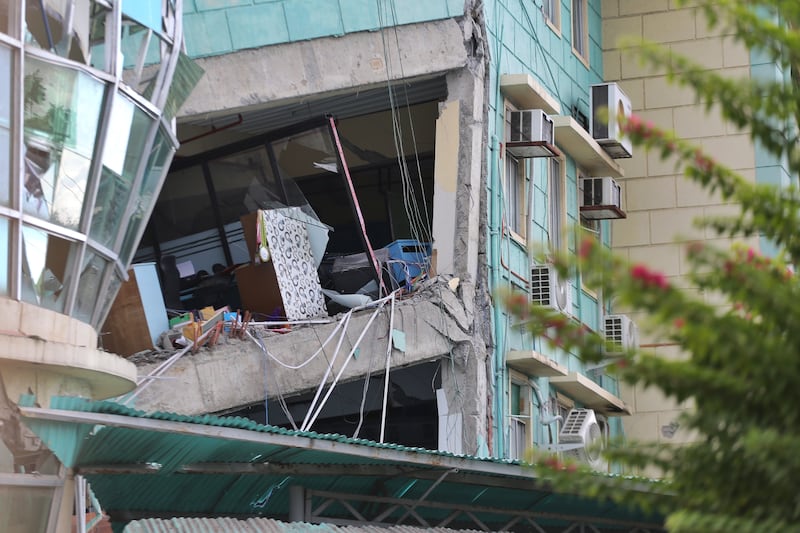
The quake killed at least 35 people and injured more than 200, mostly in abandoned buildings, the Associated Press reported. In the hard-hit city of General Santos, several buildings collapsed or suffered major damage. Tsunami damage was also reported in at least one village on the southern coast.
The church is working with government agencies and other organizations to support community response efforts, according to a news release on the church’s Philippine Newsroom website.
All of the Church’s missionaries assigned to the affected areas are safe and sound, according to the same news release.
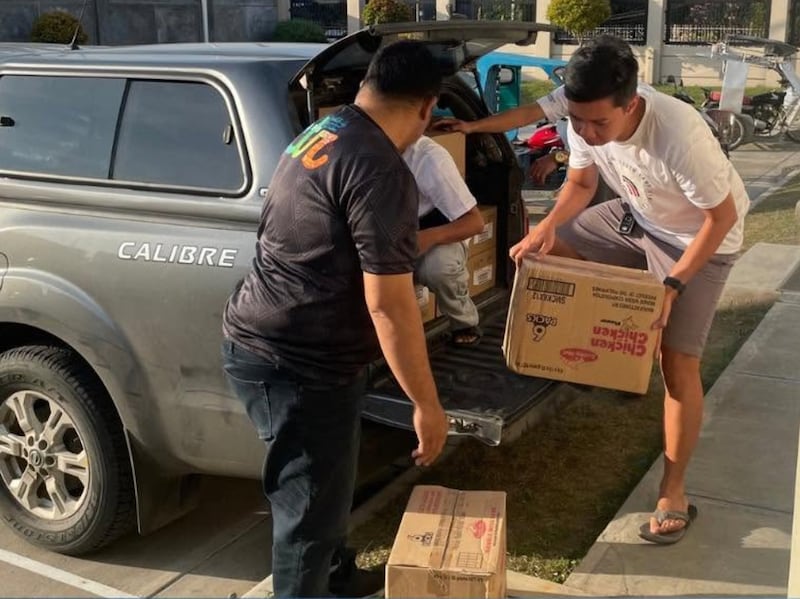
Members of the church’s General Santos Philippines Stake immediately sprang into action to help their neighbors and friends after the earthquake.
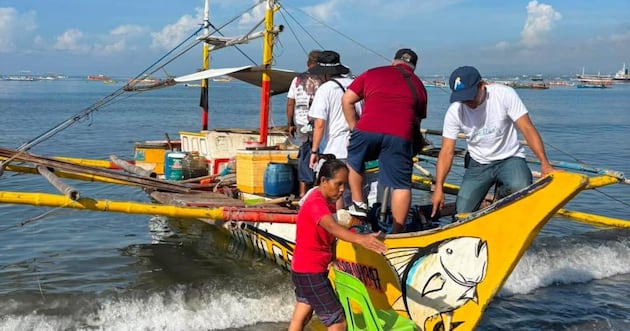
The stake prepared 200 food kits and transported them by twin-engine motorboat from General Santos City to Gran and Arabel, a distance of approximately two hours.
Some church meetinghouses in hard-hit areas have been opened to accommodate evacuees.
Church leaders have reported that some members’ homes have been damaged, and the church is encouraging families in need to contact their local bishop or branch president.

In Sarangani, a collapsed bridge and a landslide that covered a main road have created additional difficulties in getting aid to the community.
More than 905,000 members of The Church of Jesus Christ of Latter-day Saints live in the Philippines.
Recently, the Church also carried out humanitarian relief efforts after several typhoons caused deaths, widespread flooding and devastation.
The Church provides assistance around the world during times of natural disaster, civil unrest, and other crises. This assistance includes immediate relief and long-term recovery and reconstruction efforts.