


If there’s one thing I love about spring, it’s the arrival of warmer temperatures. After what felt like a death trap of snow, ice, and sub-zero weather, May ushered in a new season. Something brighter. A book full of rebirth, growth, and new birth. Flowers are starting to bloom, birds are returning to their nests, and trees are blooming with colors they haven’t seen in months. There are few times as beautiful as this season. But even in bright and beautiful times, mental health can still feel heavy.
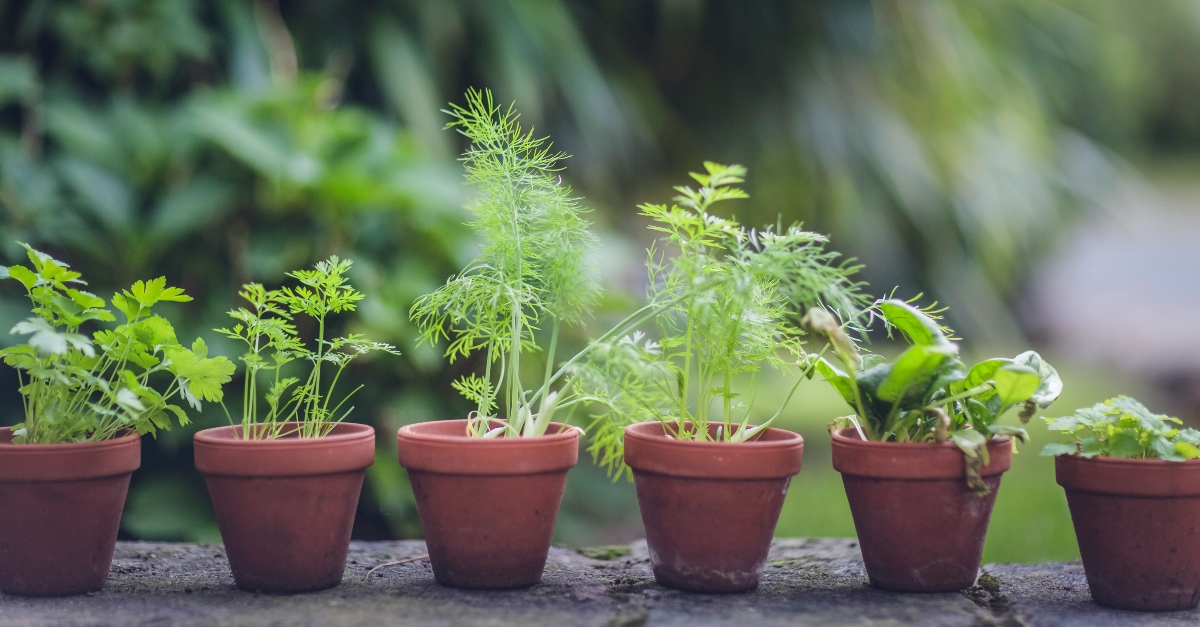
The Bible talks a lot about nature, gardening, and agriculture. Therefore, I would like to introduce gardening as a metaphor for cultivating peace through faith. It takes time, patience, and discipline, but you can practice three simple habits to cultivate peace in your life.
1. Plant seeds of truth
When I was little, I watched my grandparents tend to their gardens all year round. As spring and summer begin, thousands of flowers, trees, and crops decorate the grounds. One summer, I decided to do the same thing at home. I planted it intentionally. All flowers, vegetables, fruits and trees were hand picked. Each was given extra fertilizer, minerals, nutrients and water for a fresh start. But I had to forget to take care of them every day.
Similarly, we are encouraged to replace bothersome, anxious, and depressing thoughts with Biblical truths. This is not as simple as “not thinking about bad thoughts,” but rather an ongoing learning process of reciting God’s Word to the thoughts that trouble us. Christian counselors and psychologists call this reframing, and it works wonders if we are persistent and consistent.
The next time you have a worrying thought that threatens to steal your peace of mind, try meditating on Philippians 4:8 or Romans 12:2. Record these affirmations on paper and start each day with one truth. My mind often returns to this verse, especially when I’m struggling to plant a “seed.” Yes, there may still be some anxious thoughts, but the Bible has the power to overcome even the toughest weeds. And eventually, what you sow will begin to grow. Yields can increase tenfold if conditions are maintained.
2. Pull out weeds
Speaking of weeds, let me tell you an embarrassing story. In the summer I decided to plant flowers and a garden and went on a two week vacation with my family. I completely forgot about both of them until I came back and saw the mess. The grass was shoulder-high, weeds were clinging to every flower, and my parents told me to throw in the towel. I had a good run and gave it a try.
But when I told my grandparents, they offered to help me salvage what was left. We spent a week outside eight hours a day pruning, cutting, and mowing to get the land back to normal. The work took more time, patience and persistence. The main reason is that I forgot to take care of it in the first place. But we did it. My garden produced a small crop that season, but ended up producing a more abundant crop. Similarly, we must not allow anxiety and conflict to prevail.
Gardening reminds us that we need to continually remove obstacles to growth. Have you ever gotten rid of all the weeds on Friday only to find more weeds on Saturday? That’s true, but it’s really frustrating when you don’t have herbicide. Jesus told many parables to illustrate this same phenomenon. We need to identify and eliminate the mental habits and voices in our lives that create anxiety and shame. Because, like weeds, if we don’t do something about them, they’ll just keep coming back.
Psalm 46:10 tells us to be still and know that God is God. When we utilize coping skills such as prayer, breathing prayers, silent challenges, and setting digital boundaries, we can help eradicate the weeds that threaten our well-being. We do what we can and ask for the help God provides (through therapy, medication, counselors, God’s Word, God’s community, God’s church). But after that, I rest in God’s hands. “Thus saith God, I will be exalted among the nations, and I will be exalted in the earth” (NIV).
3. Community and blessed water
Once we have properly planted the seeds of truth and pulled out the weeds, we must remember to water them with community and grace. The summer I planted my first garden, I forgot to ask someone to take care of it while I was on vacation, and I learned the importance of water. For two months, there was no rain on our small property in Ohio. Farmers and planters were under maximum stress. Every morning and evening, I carried buckets of water and used an extension hose to spray the plants. I’m very tired. But everything, including humans, needs water to grow. Growth doesn’t just happen; it requires regular nutrition.
When it comes to our headspace, true peace comes through connection and consistency. It can be fresh water that gives life to our souls. Jesus is the source of life and wants your life to be enriched. Because we were never meant to walk through this life alone. Just like your plants and gardens need a safe space to grow and thrive, so do we. In order for us to become the best versions of ourselves, we need vulnerability in a safe space with friends, small groups, or mentors.
I meet with a counselor once a week. I see a psychiatrist once a month. And I keep in touch with my mentors and friends/family every day. These grace-filled talks will help you celebrate small victories, check in on yourself and your spirit, and know you’re not alone. By doing so, I can water the growth I want to cultivate and reap from me that which does not represent Christ.
Are you ready to bloom?
This spring, trees will bud and flowers will bloom. Consider three practical ways to cultivate peace. They are not simple answers or one-and-done practices, but continuous, imperfect, hopeful steps that you can take one at a time when you are ready.
What areas in your life are ready to blossom? Take some time to talk to God about it. Then ask them to help you plant the seeds, pull the weeds, and give them enough water to grow. Remember, if you want to be fruitful in life, you must nourish what you want to grow and eliminate what might hinder it.
“I planted and Apollos watered, but God gave the growth. Therefore there is neither he who plants nor he who waters, but God alone who gives growth. The planter and the waterer are one, and each one receives a reward according to his work” (1 Corinthians 3:6-11, ESV).
prayer
Dear God, mental health can be an uphill battle that we fight all year long. Help us to experience Your peace as the seasons change from spring to summer. Help us to plant seeds of truth. Replace lies with truth and teach us how to grow. Get rid of the weeds that try to take us away from You and replace them with Your nourishment. We praise, thank, and trust Jesus. Thank you for being our eternal gardener! Amen!
Photo credit: Unsplash/Markus Spiske
Amber Ginter is a teacher-turned-author who loves Jesus, her husband Ben, and granola. Growing up, Amber looked for resources on faith and mental health, but couldn’t find anything. Now, she gives hope to young Christians struggling with mental illness that goes beyond just reading the Bible and praying more. Because even though we love Jesus, we can still be plagued by anxiety. You can download her top faith and mental health resources for free to help you navigate books, podcasts, videos, and influencers from a faith perspective. Visit her website at amberginter.com.
