



prayer for juneteenth
Written by Clarence Haynes
Bible reading:
Because everything written in the past was written to teach us, and through the patience taught in the Bible and the encouragement it gives, we can have hope. – Romans 15:4
The study of history, especially American history, is interesting to me. There is much we can learn from looking back at the past, especially in the culture we live in today. Juneteenth is celebrated every year on June 19th. For those who don’t know, this day commemorates June 19, 1865. Union troops arrive in Galveston, Texas, to inform the enslaved people that slavery has ended and they are free.
As an African American man living in the United States, I often struggle with holidays like this. It’s not because I don’t think we should recognize them, but because I worry that many in our country are trying to forget, and that goes against the truths the Bible teaches us.
It’s great to celebrate where we are and where we’re going, but it’s important to never forget where we came from. The truth about American history is that it is incomplete, and one fact we cannot escape is that it includes terrible treatment of many groups of people. I don’t say this to offend you, but I want to state a fact that we cannot and must never forget. When we forget the past and the difficult experiences of many people in this country, we create a narrative that may be true for some, but not for everyone. Many people may think that not remembering or glossing over the past is the path to unity, but in fact the opposite is true. Not acknowledging reality brings people closer together. That is why this passage from Romans is so important. We must admit that everything that happened and was written in the past was done to teach us.
What does Juneteenth tell us about our past?
There are many lessons to be learned from Juneteenth, but I would like to focus on one in particular. Independence and freedom cannot truly exist until they are fully realized for all. But we can’t understand it until we see history through the lens of someone other than ourselves. For example, our country recognizes July 4, 1776 as Independence Day. This year we celebrate 250 years of independence. The irony of this statement is that on that day in 1776, over 20% of the population was still enslaved. It may have been a celebration of independence for some, but not for everyone. If you are a member of the class of liberated people, you have reason to celebrate. If you were enslaved, you had nothing.
Juneteenth should be a reminder to not only see your past, your story, and your history through the lens of your own experiences and family journeys. Sure, we should remember that journey, but it’s important to consider the perspectives of those who take a different path than us and try to understand their life experiences. If you can do that, it will shift your perspective and help you discover that what is true for one person may not be true for everyone.
Are you willing to be uncomfortable?
Let’s be honest, most of us prefer a sanitized version of history. However, it does not help build relationships with all neighbors. When we are willing to grapple with the unpleasant truths of our past, only then can we begin the process of healing and moving forward. Let’s be honest, this is a difficult job and some people don’t really like doing it. But I believe that those who choose to look back to the past for understanding and learning will realize that this can be a path to the social freedom, independence, and healing that our country seeks.
Let’s pray:
Heavenly Father,
Today I pray for open eyes and open hearts. Grant me the kindness to see life through the experiences of others. I ask for the grace to see things with a heart of understanding rather than judgment or comparison. May this understanding lead to heartfelt compassion to not overlook the past, to learn from it, and to strive to be a bearer of healing. Help us to recognize that only by taking a Biblical stance and reflecting honestly and clearly can we find the lessons we need to bring about healing today.
In the name of Jesus,
Amen.
Discuss today’s devotion with others in the “Daily Prayer” thread in the Crosswalk Forums.
Photo credit: iStock/Getty Images Plus/Boonyachoat
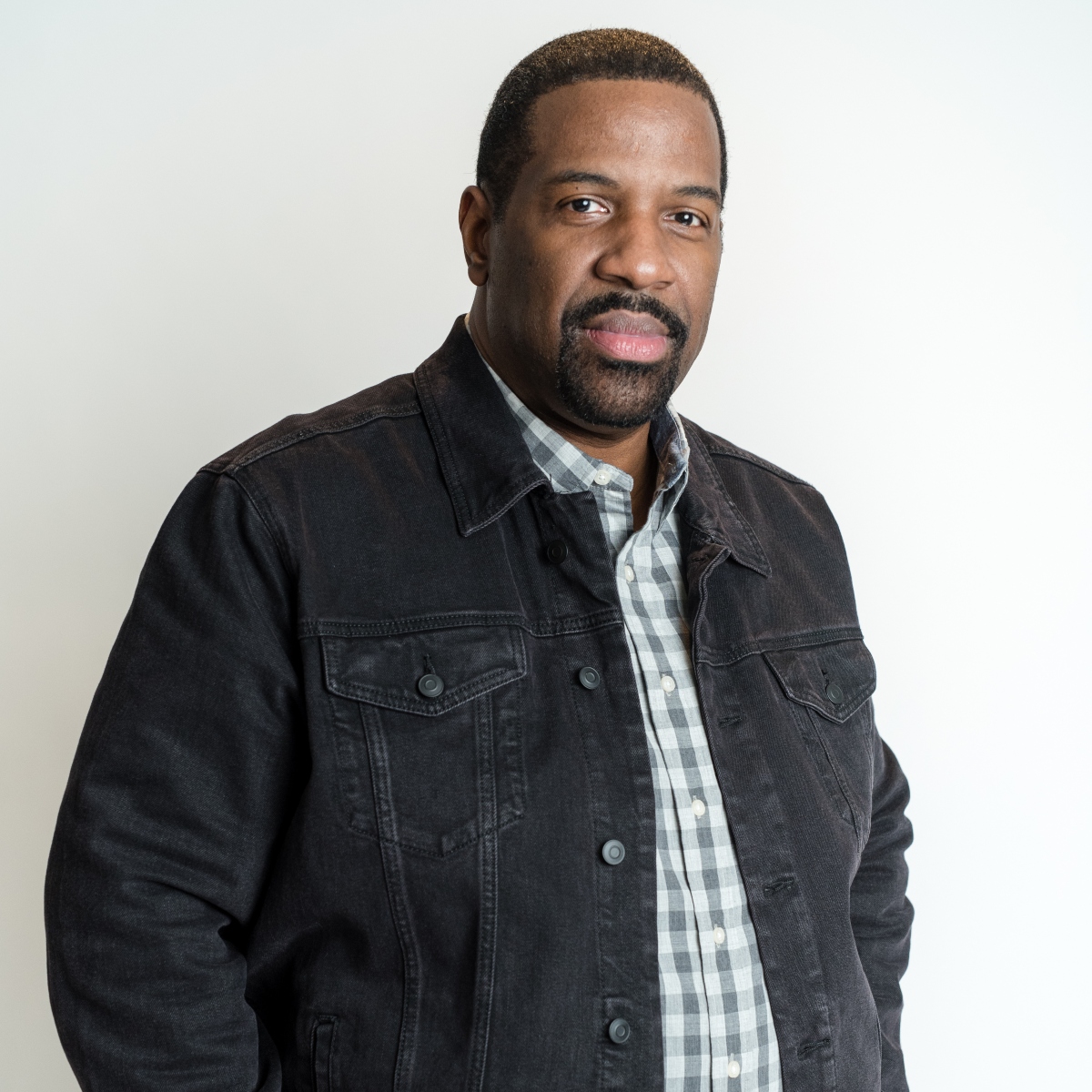 Clarence L. Haynes Jr. is a dynamic speaker, Bible teacher, and co-founder of a Bible study club dedicated to helping people live with purpose and clarity. In addition to his ministry, Clarence has been a trusted financial educator for the past 13 years, coaching thousands of people across the country, including employees of many Fortune 500 companies, toward lasting financial health. His unique ability to blend practical wisdom with spiritual insight enables people to succeed in all areas of life.
He is the author of The Pursuit of Purpose, which helps readers understand how God leads readers to His will, and the author of The Pursuit of Victory: How To Conquer Your Greatest Challenges and Win In Your Christian Life. Clarence is also committed to helping 10,000 people learn how to study the Bible, and has released his first course, Fundamentals of Bible Study, to accomplish that goal. To learn more about his ministry and resources, please visit clarencehaynes.com.
Related resources: What to do when God seems far away
What do we do when God no longer feels as close as he used to?
Many sincere believers go through seasons when their prayers feel empty, their Bibles feel silent, and God feels mysteriously absent. Especially for leaders, these seasons can feel confusing, discouraging, and even embarrassing.
In this episode of the Unhurried Living podcast, Alan Fadling sits down with theologian and spiritual formation professor Kyle Strobel to discuss his new book, When God Seems Distant, co-written with John Coe. If this episode helps you focus your work and life on God, be sure to follow Unhurried Living on Apple or Spotify so you never miss an episode.
