


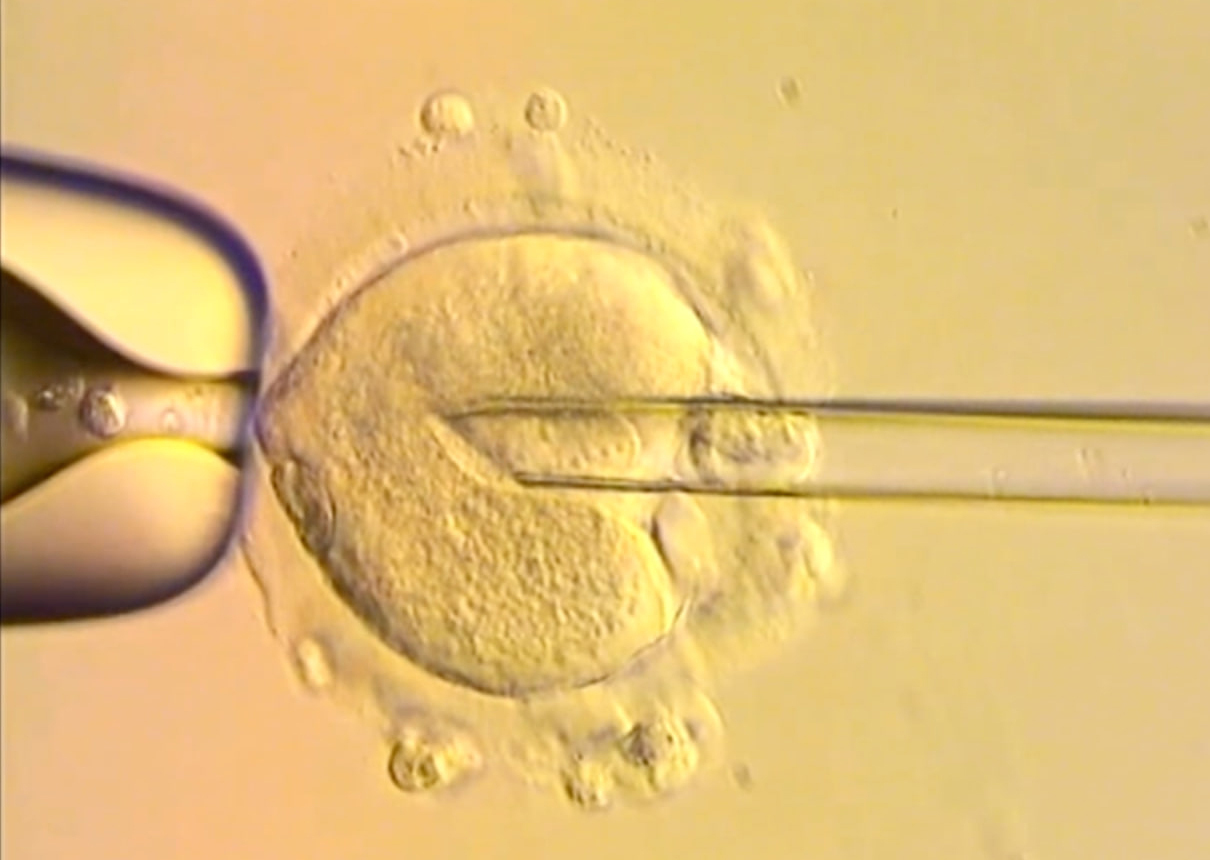
According to reports from the BBC and Christians in the UK, it was born using three DNAs to prevent fatal hereditary diseases.
Pioneering techniques combine eggs and sperm from parents with healthy mitochondrial DNA from donor women. This method has been legal in the UK since 2015, but these are the first confirmed cases in which a child has been born from mitochondrial disease. This is a group of often fatal states passed on to the child by mothers that affect the body’s ability to produce energy.
Mitochondria, small structures within cells, promote essential functions in the body. Defective mitochondria can cause seizures, organ failure, and death in babies. One in 5,000 babies are born with mitochondrial disease.
Parents involved in the procedures carried out at the Newcastle Fertility Center shared an anonymous statement through the clinic. “After years of uncertainty, this treatment has given us hope, and it has given us a baby,” said the baby girl’s mother. Another parent, the mother of a boy, added, “The emotional burden of mitochondrial disease has been lifted, and instead it is hope, joy and deep gratitude.”
Developed more than a decade ago at Newcastle University and the NHS Foundation Trust, the process involves fertilizing eggs from the mother and including donors with father’s sperm. Nuclear DNA from the parents then determines properties such as eye color and height – they are inserted into the donor’s eggs containing healthy mitochondria. The resulting child has 99.9% of the parents’ DNA and 0.1% from the donor, which is a change that will be passed on to future generations.
Two reports in The New England Journal of Medicine show that 22 families underwent procedures, with four boys, four girls, a set of twins and one pregnancy. So far, children have not seen mitochondrial disease or developmental milestones.
“This is the only place in the world where this could happen,” Professor DougTurnbull of Newcastle University told the BBC, celebrating the combination of advanced science, legal frameworks and NHS support.
But not everyone sees this as an unqualified victory. Christian groups and bioethics advocates have expressed concerns about the ethical implications, particularly regarding the destruction of embryos during the process.
“The creation of three parents’ baby destroys the other two embryos. That is, two individual humans ended their lives to create a third.”
Robinson also criticized the call by the Human Fertilization and Developmental Agency (HFEA), extending the legal window for experimenting with human embryos from the 14th to 22 days. “We shouldn’t experiment with human embryos,” she added, “it’s even more unsettling to see HFEAs claim to generate more of those experiments. The central nervous system is formed in about 22 days, and the developing heart can be beating in 28 days.”
The ethical debate reflects the deeper tension between scientific advancement and respect for human life in its early stages. While families facing mitochondrial disease see new hope, critics warn of a slippery slope for “designer babies” and a greater ignorance of embryo life.
