


It was the night before Passover, the Feast of Unleavened Bread. Jesus told his disciples to prepare for the festival. But where will this celebration be held? Perhaps they were thinking. They were all like nomads, traveling from place to place without a place to call home. Wouldn’t it be best to take this opportunity to invite someone to your home? It could have been an additional question.
Jesus instructed Peter and John to follow the man with the jar that they would meet in the city. Then a man with this jar comes in to talk to the owner of the house. “The Teacher asks, “Where is the guest room where I can eat the Passover meal with my disciples?” (Luke 22:11 NIV). And just as Jesus had said, they were shown a large, well-furnished room on the second floor.
The supper to be prepared would have been a so-called “enduring ordinance” according to God’s instructions. A one-year-old male lamb or goat, free from blemishes and defects, is roasted “on the fire, head, legs, and entrails, without being raw or boiled in water, with bread made with bitter herbs and yeast (unleavened).” You can share this meal with others, especially those in small households who cannot afford Passover animals. However, it is important to note that foreigners cannot participate in this meal unless they have been bought and circumcised. You can read this in Exodus chapter 12.
It was a busy day preparing for Passover.
at the dinner table
Jesus sat around the table and said to the 12 who had gathered together, “I have longed to eat this Passover meal with you before I suffer. I tell you, I will never eat the Passover again until it is fulfilled in the kingdom of God” (vv. 15-16). For Jesus’ guests, hearing the word “zealous,” or (depending on the translation) eager or fervent, would have convinced them that Jesus was excited to be with them. Jesus knew full well what was in store for him, and his words about suffering and his insinuation, “Do not eat this meal again until…” would not be understood by the disciples and would become a subsequent revelation.
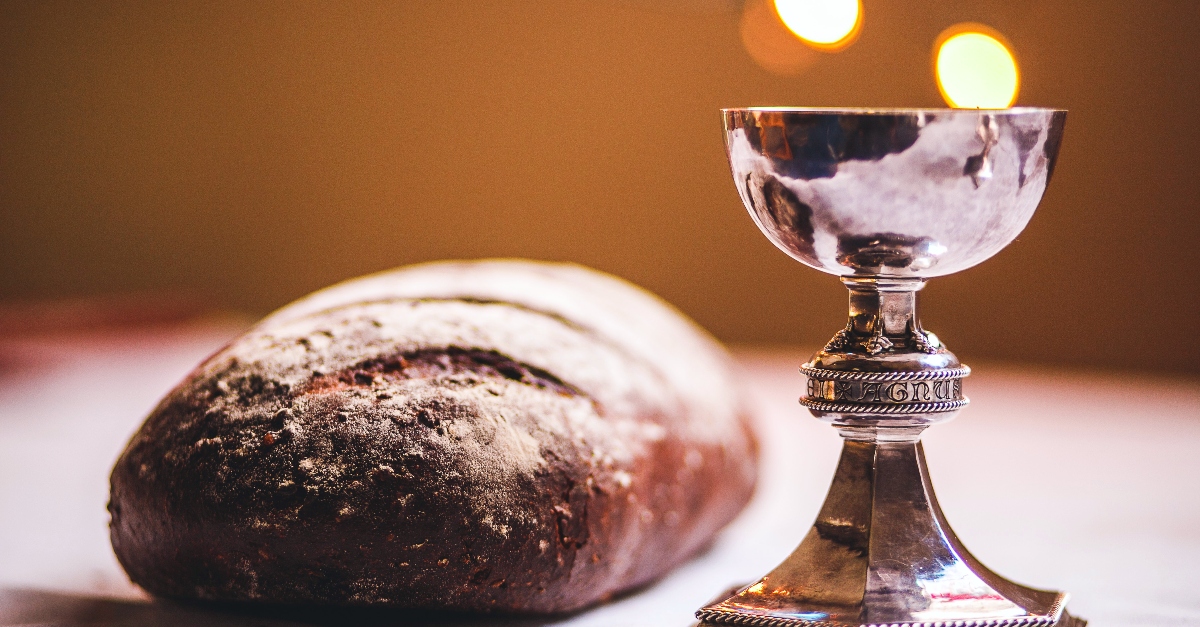
Jesus gave thanks, broke the bread, drank from the vine, and invited the rest to do the same. Jesus called the broken bread His body and the fruit of the vine His blood. These declarations seemed confusing to the apostles, but Jesus was actually telling them that these figurative declarations were part of a literal event.
The dinner became even more interesting when Jesus stated that one of them would betray him. They must have panicked because they knew the power of Jesus. So they started asking among themselves who it was. Afterwards, there was an argument over ranking. And it must be another blow when Jesus turns to Peter about Jesus’ prayer to keep the faith strong. Not one of them was spared from carrying on the sinful nature of betrayal, worldliness, and denial. One betrayed Christ in exchange for 30 pieces of silver. Everyone wanted to be the boss. Another denied Christ three times when questioned about their relationship.
Jesus discussed his impending departure, which troubled his disciples. Jesus comforted them by giving them an overview of his Father’s house. Jesus goes there, prepares a place for them, and brings them back. When asked further questions, Jesus patiently explained the path to God the Father and the Holy Spirit, leaving them to be their comforters. You can read the entire conversation in John 14.
important lessons
As if food and conversation weren’t enough to make that night memorable, Jesus did something else. “Jesus rose from the meal, took off his outer garments, and wrapped a towel around his waist. Then he poured water into a basin and began to wash the feet of his disciples, drying them with the rolled towel” (John 13:4-5).
In their culture, it was common to wash the feet of guests. When Abraham received the three visitors, he said, “If I have found favor in your sight, Lord, do not let me pass by your servant. Bring me some water, so that you may all wash your feet and rest under this tree” (Genesis 18:3-4). When the two angels arrived in Sodom, Lot said likewise, “Lord, turn aside to your servant’s house. Wash his feet and spend the night before departing early in the morning” (Genesis 19:2).
Refreshed! Imagine your feet in dusty sandals, freed from the shackles of leather and soothed by cold water. When you dry your feet, the area between your toes will feel clean, and the gentle scrubbing of the towel will help relieve fatigue.
But the most foot-washing story was that of a sinful woman who came to Jesus while He was eating at a Pharisee’s house. In front of everyone, and “as she stood at his feet weeping, she began to wet his feet with her tears. Then she wiped his feet with her hair, kissed them, and anointed them with perfume” (Luke 7:38). There was no water to pour out except the water from her eyes, the tears she shed as she was being cleansed from her sins. There were no towels to dry anything other than her long hair, which is the crown of a woman’s beauty. And the foot kiss must have been a big surprise. It is the humility of a servant asking for forgiveness. And what about perfume? A wonderful Thanksgiving gift from a woman who has received new hope and new life in Christ.
A lesson in humility and service for those who want to follow Jesus. Jesus used this act to teach his disciples how to live and show them that being great means serving others, not fighting for glory or recognition. Their earthly service will be greatly rewarded by Heavenly Father.
remember its importance
Passover is here again. Jewish communities and some evangelical churches also offer seders that emphasize the symbolism of each item on the menu. But we must remember that this first celebration was marked by the blood of the sacrificial lamb that was smeared on the gateposts to protect them from the deadly plagues that struck Egypt. Salvation came to them and they finally set out for the Promised Land.
When Jesus celebrated the Passover meal with his disciples, they were following an eternal ordinance given to them by God (Exodus 12:14). But another element extended this to establish the New Covenant with Jesus as the final and ultimate sacrifice, the Lamb. His body was broken on the cross and his blood was shed to pave the way for humanity to be saved from sin. His most precious blood will cover anyone who professes faith in Jesus and will lead them out of eternal death and open the way to eternal life.
There’s something to be said about enjoying your last dinner together. For better or worse, there are many things that stay in my memory. We can also provide home-cooked or gourmet meals, so keep that in mind. Even if the story doesn’t work out, it could still be noteworthy because of the dialogue. But there’s always a company that might not be able to sit at the same table as you.
Because Passover is an eternal ordinance, Jesus’ next words should remind us of what is to come. “I tell you, I will never eat the passover again until it is fulfilled in the kingdom of God” (Luke 22:16). There is a special invitation to the Passover that is celebrated. As the Bride of Christ, we should put on our righteousness and prepare to sit at the Most High Table joining Christ the Lamb (Revelation 19:6-9). But in the meantime, Jesus encouraged his disciples then and us today to continue the practice and “do this in remembrance of me” (Luke 22:19).
Photo credit: ©Unsplash/jhc
Louisa Collopy is an author, speaker, and women’s Bible study teacher. She also produced “Mula sa Puso (From the Heart)” in Tagalog (the language of her heart), which was released on the FEBC Philippine station. Luisa loves spending time with her family, eating and doing karaoke.
