


When one of my sons was young, he brought home a Styrofoam cup filled with dirt from Sunday school on Mother’s Day. There were drawings and doodles of cute boys on the sides of the cup, but there was no sign of life inside. He told me I should water it.
So I did. I had no idea what was in it, but I placed the cup by the window and watered it regularly. Now, some buds have sprouted from the soil. The new shoots were getting taller and the leaves were starting to sprout, so I transplanted them into flowerpots and placed them in a sunny spot on my deck.
It was mid-summer, before this strangely long green shoots and leaves showed any signs of being worth watering, but when its first flowers bloomed, I fell in love with its perfectly shaped pink blooms. A few days later, the flowers bloomed again. This one was bright orange. Over the rest of the summer, what started out as a small patch of dirt began to show off with vibrant colors. I had to ask an experienced green-thumb friend what kind of flower it was, but when I learned it was called a zinnia, I made sure to add it to my list of flowers to plant next year.
I am by no means an expert gardener. My only experience with home gardening was when my husband and our sons built raised vegetable beds for several years and enjoyed it. They produced a handful of carrots, some green beans, and some awful tasting lettuce, but that was it. that’s ok. I don’t mind buying my own produce at the store or taking leftovers from my mother’s garden.
But over the past 20 years, I’ve developed a love for large leafy perennials and colorful flowering annuals, both in my landscaping and in pots on my deck. Here are 14 tips for spring gardening. Some advice comes directly from my experience, and some ideas are taken from Better Homes and Gardens (bhg.com) and thegardeningcook.com.
Preparing for the growing season
1. Remove dead leaves and debris from flower beds during the winter.
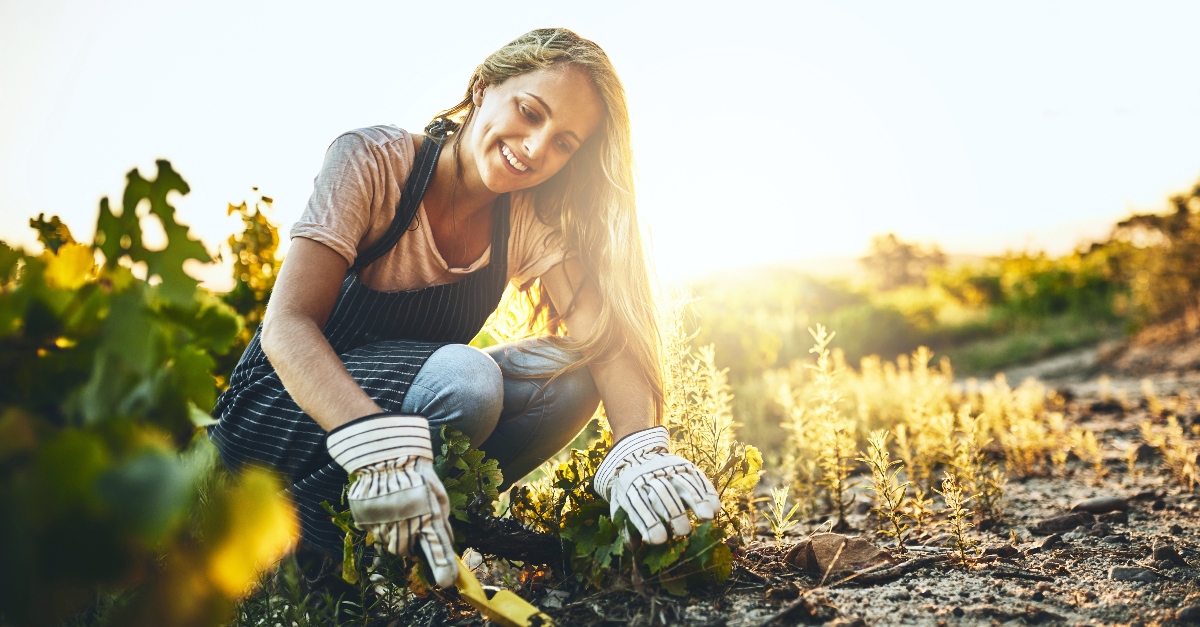
On those first warm spring days when you’re itching to get outside and get some fresh air, grab your gardening gloves and rake and spruce up your landscape.
2. Clean out perennials.
While you’re cleaning up your garden, grab some garden shears and cut back any old, dead leaves. Some people like to do this in the fall, but early spring is also a good time.
3. Divide perennials.
Not all perennials like to divide in early spring, but some do. Know what’s in there and split up anything that’s taking up too much space. Find another spot in your garden or share it with a friend. Or you can do what people often do in my area. Simply place the divided plants by the curb in front of your house for passersby to take home. (This is also a good time to clean and divide ornamental grasses.)
4. Prune trees and shrubs.
Many, but not all, trees and shrubs prefer to be pruned in the spring. As with any perennial, be aware of which plants are planted and trim those that will benefit. Trimming in the wrong season can harm your tree or shrub, so do your homework before cutting it down.
5. Mulch the plant bed.
Mulch not only makes things look pretty, but it also cools the roots of your plants, reducing the amount of water they need. Helps control nuisance weeds. And it nourishes the soil. Be sure to spread the mulch evenly. However, don’t lay it too thick or too close to the plants. I often underestimate the amount of mulch I need, so consider buying extra bags.
6. Start the compost pile.
A compost pile will benefit your garden and provide a place to put all your organic waste. Be sure to properly mix grass clippings, vegetable peeling, and tree pruning. Rotate the compost regularly with a pitchfork to aerate it. Once it breaks down, sprinkle it around your plants and they will thrive.
7. Add coffee grounds to your compost pile.
According to the Oregon Extension, coffee grounds are an excellent source of nitrogen for your compost pile. Anecdotes also suggest that coffee grounds repel slugs and snails.
8. Fertilize.
Spring is the best time to fertilize perennials. In addition to adding compost to the soil, find the right fertilizer for your garden and apply it at the beginning of the growing season. Read the package instructions to find out if and when you need to reapply during the growing season.
plant suggestions
What should I plant? This depends on the climate where you live, but below are some tried-and-true, easy-to-grow beautiful Midwestern plants.
9. Licorice
If you are a beginner in gardening and want to please yourself and create a plant with beautiful flowers for a long time, plant daylilies. There’s a reason you see them growing freely in ditches (at least in the Midwest). It’s almost impossible to kill them. However, please be careful. They can also spread like crazy. You need a large space for them or you need to be prepared to divide them regularly.
10. Hosta
Like daylilies, hostas are difficult to kill. It will grow year after year as long as it is planted in proper shade. If given enough space, it will grow very large. In our backyard there is a large hill full of hostas. Rabbits tend to find the leaves very tasty, although they require little attention.
11. Dianthus
Dianthus is generally sold as an annual, but if planted in the ground it will come back for several years. I love small and cute dianthus plants. It looks like a small bouquet. Plus, once it dies back, it will bloom again all summer long.
12. Silver Mound
As the name suggests, this mounding ground cover has a beautiful silvery sheen and is a wonderful addition to flower beds and landscaping around the house. It is very easy to care for and the leaves are not only beautiful but also very soft to the touch.
13. Coleus
There are many different varieties of coleus, all of which are beautiful. The colorful, patterned leaves of this plant make it perfect for flower pots and landscaping around the home and garden.
14. Zinnia
These are the flowers my little boy gave me. Prolific and beautiful, the long stems make them perfect for cutting and placing in vases. It also has the added benefit of attracting butterflies and hummingbirds. Plant it where you can enjoy watching the winged creatures fly around.
We have a creator God who not only shaped us, but also blessed us with stewardship of the vast flora that he created. And sometimes he gives us little boys who bring home cups of earth that turn into wonderful flowers. I’m grateful for both.
Photo credit: ©iStock/Getty Images Plus/PeopleImages
Kim Harms is a two-time cancer survivor. She is the author of Carried Through Cancer: 70 Days of Spiritual Strength from Cancer Fighters, Survivors and Caregivers (B&H Fall 2025) and Life Reconstructed: Navigating the World of Mastectomies and Breast Reconstruction (Familius 2021, Credo 2024). Kim holds a BA in English from Iowa State University. In addition to being the author of two books, she is also a wife of 26 years, mother of three boys, freelance writer, speaker, and part-time library assistant. She considers it a joy and honor to encourage other women facing the difficult and often lonely road of cancer, and her website, kimharms.net, is full of cancer resources. You can find her on Instagram @kimharmsauthor and Facebook kimharmsauthor.
