


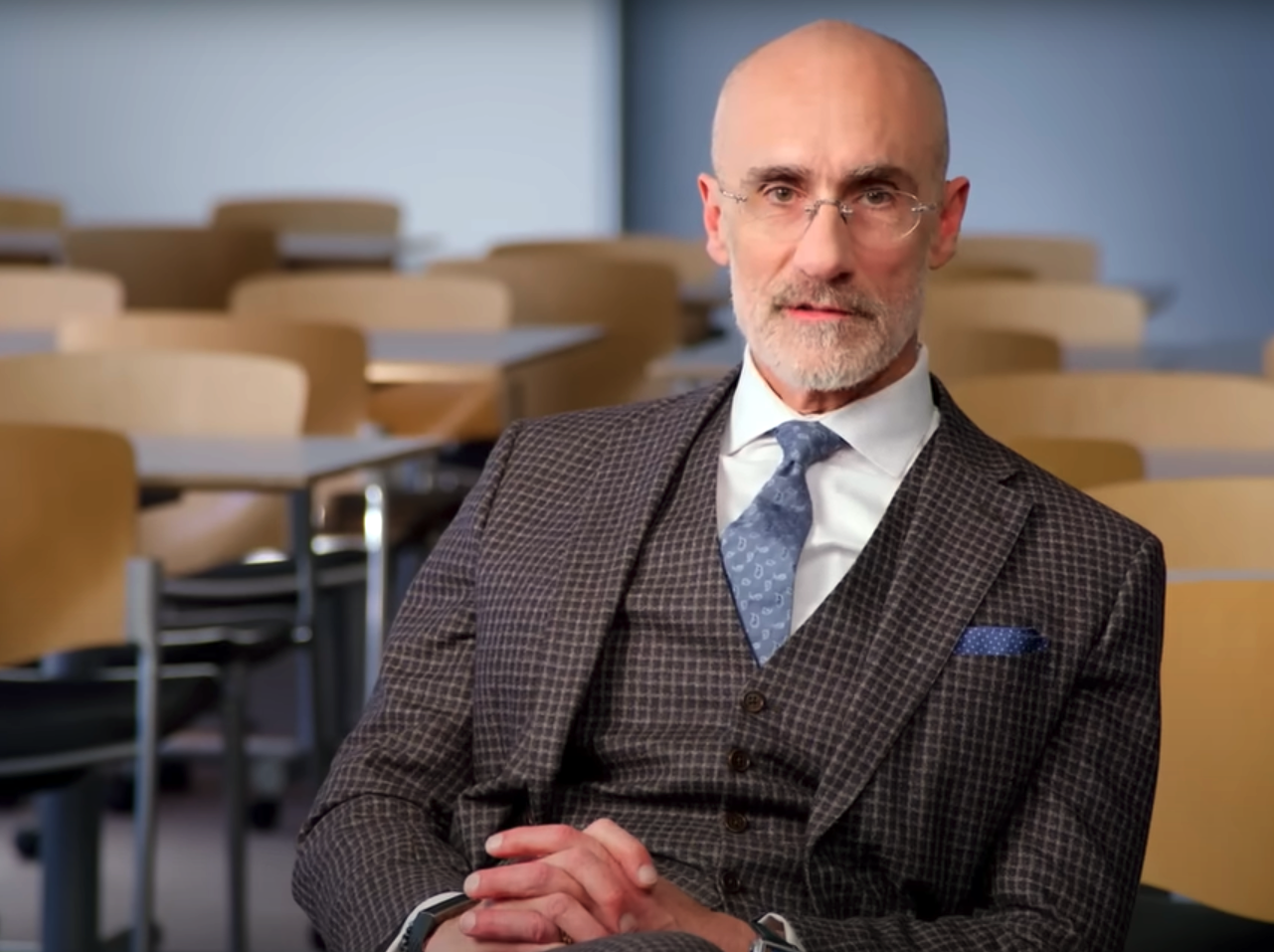
The new Harvard Business Review video, released on August 26, highlights boredom as an important part of the human experience. Professor Arthur C. Brooks of Harvard University warns that avoiding boredom can’t prevent people from asking deeper questions about life and leading to anxiety and depression.
A video titled “You need to get bored.” Why boredom is boring not as a flaw, but as a characteristic of the human mind. Brooks explained that when people are free, their brains activate what scientists call the “default mode network.” This process, he said, naturally leads to ideas to bigger questions about meaning and purpose.
“When you’re not thinking anything, what does my life mean while your mind wandering around, for example, thinking about the big issues of meaning in your life? “It turns out to be incredibly important and incredibly good.”
He waited at the traffic light in seconds, in contrast to the modern habit of reaching out to his smartphone to fill up the crowded moments. This constant stimulation, he argued, disrupts the natural reflexive process of the mind, leading to what he called the “loop of fate of meaning.”
“One of the reasons why we are experiencing this explosion of depression and anxiety in today’s society is because people don’t actually know the meaning of their lives, and far less in previous generations,” Brooks said. “We were able to turn off the default mode network in the brain almost completely.”
Brooks pointed to an experiment in Harvard psychology where participants were instructed to sit silent for 15 minutes without doing anything. The only option available in the room was a button that provided a painful electric shock. Most participants chose to repeatedly impact rather than tolerate boredom. He said that avoiding quiet reflexes shows how people resist facing deep, unpleasant thoughts.
On practical advice, Brooks urged viewers to create a deliberate space for boredom by restricting the use of the device. He described his habits, including avoiding calls after 7pm, sleeping on the phone in the bedroom, and banning devices for family meals. Additionally, he says he will take regular “screen cleansing” and will allow for longer hours without social media or electronic distractions. Although difficult at first, he said this practice will become easier over time and help to restore focus.
“Start improvements during a period of boring 15 or more minutes and watch your life change,” Brooks said. “You begin to dig into the biggest questions of your life: purpose, meaning, consistency, importance – and who knows? You may just be happy.”
