


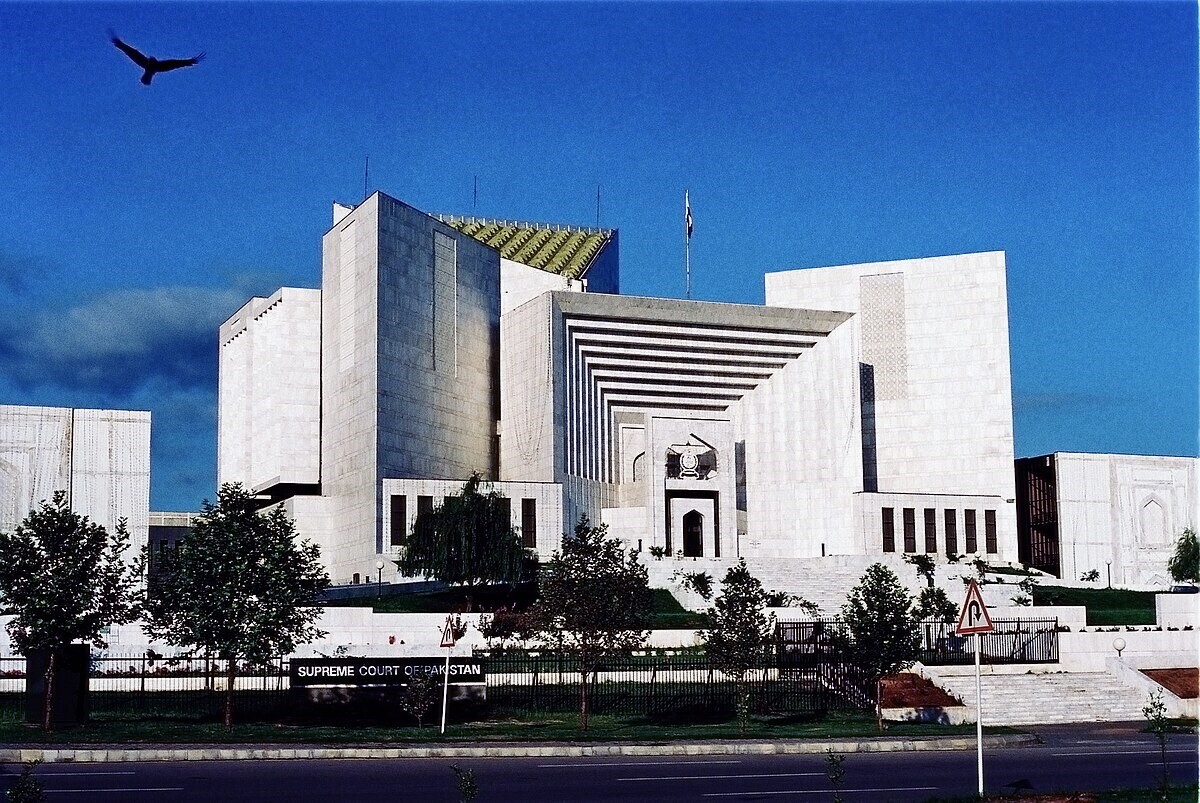
UN High Commissioner for Human Rights Volker Turk on Friday (28 November) sounded the alarm over Pakistan’s recent constitutional reforms, saying they raise “grave concerns” for the rule of law and the protection of human rights, including freedom of religion.
Turk said in a statement from Geneva, Switzerland, that the proposed amendments would also undermine judicial independence and military accountability.
Turk warned that the amendments were adopted “without extensive consultation and debate” with the legal community and civil society, saying the amendments go against the separation of powers that upholds the rule of law and protects human rights in Pakistan.
“Neither the executive nor the legislature should be in a position to control or direct the judiciary, and the judiciary should be protected from any form of political influence in its decision-making,” the UN rights chief said.
Under the changes adopted on November 13, the new Federal Constitutional Court (FCC) will be given powers regarding constitutional litigation, replacing the Supreme Court’s previous powers, and will now only handle civil and criminal cases, he said.
The system for appointing, promoting and transferring judges has changed in a way that raises “serious concerns that it undermines the structural independence of Pakistan’s judiciary,” Turk said. He said the President and Prime Minister have already appointed the Chief Justice and the first set of FCC judges.
“Taken together, these changes risk subjecting the judiciary to political interference and executive control,” Turk said. “A core measure of judicial independence is that courts are insulated from political interference by governments. Experience shows that when judges are not independent, they struggle to apply the law equally and protect the human rights of all people in the face of political pressure.”
The Turkish president also criticized the lifetime immunity from criminal prosecution of the president, field marshals, air marshals, and fleet commanders, saying it undermines accountability, which is fundamental to human rights frameworks and “democratic management of the armed forces under the rule of law.”
“I am concerned that these amendments risk far-reaching implications for the principles of democracy and rule of law that the people of Pakistan hold dear,” Turk concluded.
Similar concerns about the constitutional reforms were raised by the Human Rights Commission of Pakistan (HRCP), which stressed that the cumulative impact of recent political and security decisions is eroding fundamental rights and weakening public trust in state institutions.
In a statement issued after the HRCP’s 39th Annual General Meeting on November 23, Chairman Asad Iqbal Bhutto said the 27th Amendment threatens the independence of the judiciary by extending executive control over matters that should be free from interference.
“This proposed amendment seriously undermines the system of checks and balances, especially at a time when democratic institutions are already under strain,” the committee said.
He added that lifetime immunity for public officials concentrated unchecked power in a small group and undermined the supremacy of Congress. He stressed that empowered and elected local governments are essential to deepening democracy and ensuring meaningful citizen participation in governance.
Pakistan’s government stated that Parliament reserves the right to amend the Constitution in accordance with law. The commission defended the constitutional amendment, saying the FCC would reduce the backlog of cases before the Supreme Court and ensure speedy justice to the public.
Pakistan, where 96 percent of the population is Muslim, was ranked eighth on Open Doors’ 2025 World Watch List as the most difficult place to be a Christian.
