


The Spanish Evangelical Alliance (AEE) outlined a series of reforms adopted by the Evangelical Alliance of the World (WEA) and hopes to encourage a strong role for the national alliance in decentralising, greater accountability, and the formation of decisions.
The proposal precedes the WEA General Meeting in Seoul, South Korea, scheduled for October 27th-31st since 2019. WEA brings together national and local organizations representing an estimated 600 million evangelical Christians around the world.
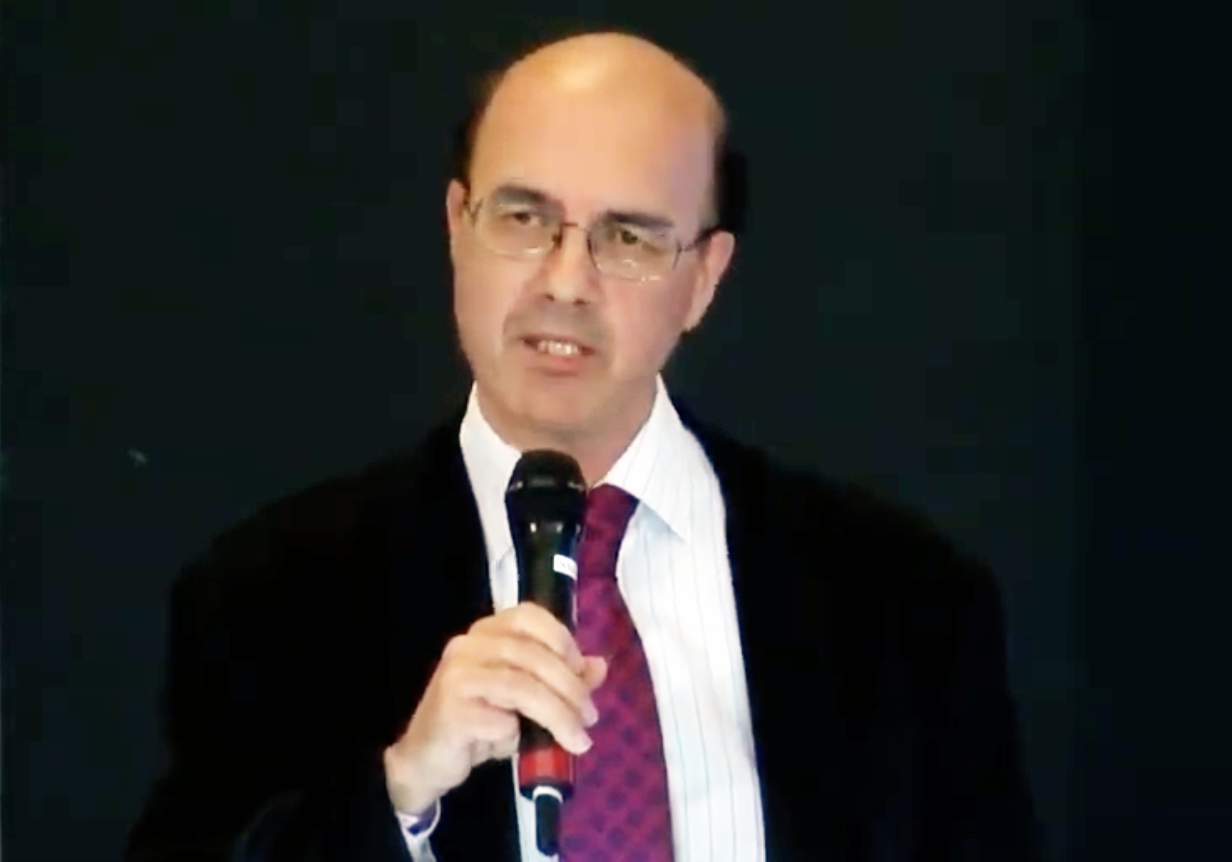
In an interview with the Evangelical Focus, AEE General Secretary Dr Xesús Manuel Suárez said that if the WEA is characterized by more internal democracy and closer relationships between its leadership and grassroots members, it “will have a stronger mission.” “Therefore, we must return to decentralization of government, checks and balance, frequent location updates, frequent and detailed accountability, reduced distances in governing bodies and the distances they represent,” he said.
Suarez emphasized that the National Alliance is not a surrounding member, but the very foundation of the WEA. “During one general meeting and the next, the National Union is a quiet guest of the WEA decision-making body,” he said. “This is a concern because the IC (International Council) is not a body that is given a key and opens and closes everything according to its own decision, but rather a group that represents the general meeting of members between the General Assembly and the next Congress, and in order to express it, it must listen regularly and report frequently to its members.”
The AEE proposal includes requesting office holders to select the election of WEA General Secretary directly from the General Assembly and presenting reports at each meeting. Suarez also called for members of the International Council to be appointed by the Regional Union, to periodically inform the national alliance of its work and to communicate the national proposal upwards.
The AEE further suggested that online sessions were used to reduce long gaps in decision making to preserve general assemblies more frequently, and that translation into world languages was guaranteed to global meetings. Practical measures to improve communication were also recommended, such as sharing contact details for national representatives.
The AEE concerns are concentrated on how authority is exercised. Suarez said the International Council currently has “huge decision-making power,” but in biblical terms, it has limited authority.
“First, to give more authority to the IC, and that authority is developed from the perspective of Matthew 20:24-28 by placing oneself under it, rather than increasing power,” he explained. “When it is placed on itself, it is very effective and can have a lot of power when it is placed on top, it is almost listening, it is determined by itself, it has very little authority. Exercising authority in biblical terms allows one to place oneself under, listen, take responsibility, and thereby gain authority.
The Spanish alliance emphasized that its criticism was intended to be constructive rather than divisive. “We don’t want to demolish it, but we want to accumulate it,” Suarez said. He added that the AEE proposal is trying to return WEA as a peer conference to its identity, built on mutual respect and responsibility.
AEE also welcomed the profile of new WEA General Secretary Botras Mansoor, describing him as someone who can bridge the community and listen to a diverse range of perspectives. At the same time, WEA’s relationship with the Catholic Church defended persecuted Christians and encouraged them to remain limited to cooperation on practical issues such as protecting freedom of conscience, rather than becoming a source of theological division within the evangelical movement.
Suarez concluded that a new culture of participation and accountability could unlock Wee’s potential. “We hope that the National Alliance will regain a sense of ownership and responsibility. To do so, we need to establish mechanisms that will encourage active participation and improve feedback to the IC,” he said.
Read the full interview here.
