


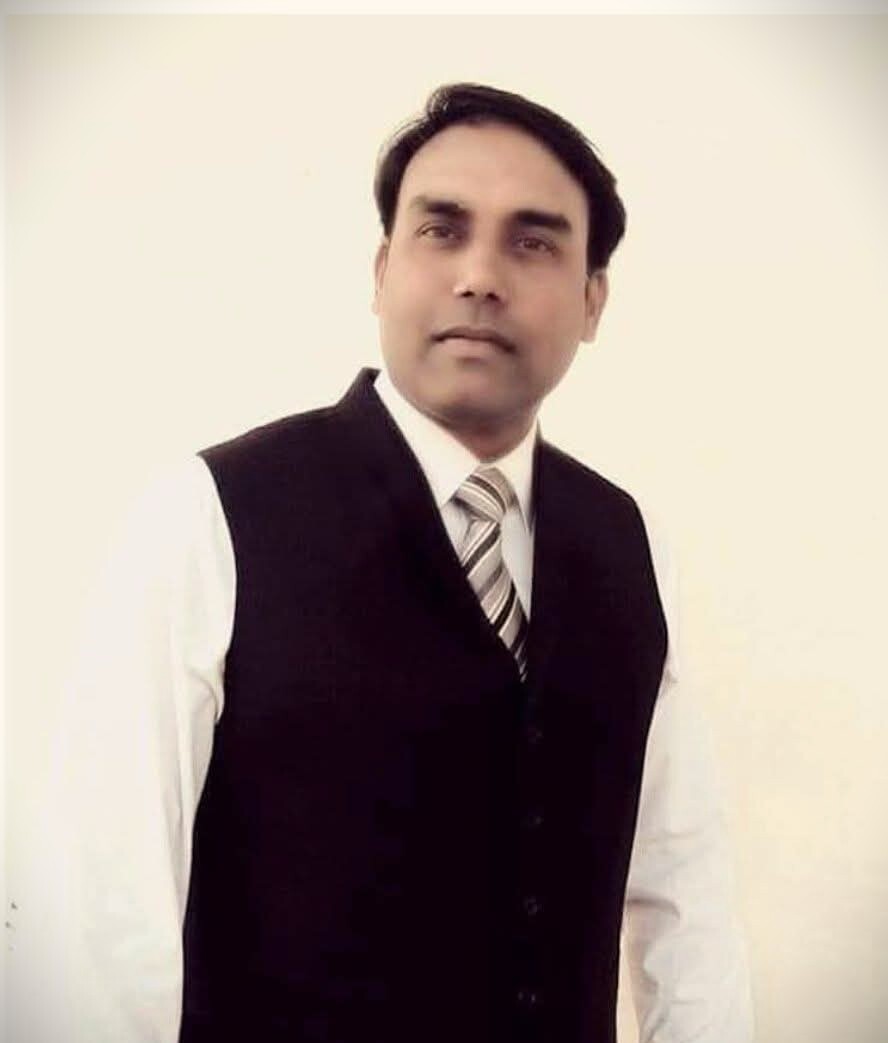
Police in Pakistan have arrested the wife of a Presbyterian pastor and her alleged Muslim accomplice in connection with the murder of a church leader earlier this month, officials said.
In the case, which initially sparked concerns that it was a religiously-motivated murder, pastor Kamran Salamat, 45, was shot dead outside his home in Gujranwala, Punjab state, on December 5 as he was taking his 16-year-old daughter to university. Police said two men on a motorcycle opened fire, striking the man in the wrist, ear and lower abdomen. The man was taken to a hospital, where he died three hours later.
Pastor Salamat, a father of three, had survived a gunshot wound to his leg in Islamabad in September. Initial speculation was that the December 5 killing was connected to a dispute related to his pastoral activities or church property. However, a police investigation concluded that the murder was allegedly planned by Salamat’s wife Salmina Kamran in collaboration with Gujranwala-based businessman Najam-ul-Saqib, police sources said.
“Investigations have revealed that Salmina Kamran was in a relationship with her co-accused Najam ul Saqib and the two are suspected of conspiring to kill pastor Salamat,” the source said on condition of anonymity.
Police allege that Saquib hired two contract killers from Mingora, in the northwestern province of Khyber Pakhtunkhwa, and paid them about 3.3 million Pakistani rupees (about $11,800) to carry out the attack. Police said the pastor’s wife then planned to apply for asylum in the United States on religious persecution grounds for her husband’s murder, and had hoped that Saqib would be able to join her in the United States.
The murder of a pastor in broad daylight just weeks before Christmas shocked Pakistan’s Christian community. Many initially feared it was another targeted attack on religious minorities in a country where Christians make up less than 2 percent of the population.
Pastor Salamat was known for his missionary work in parts of Khyber Pakhtunkhwa and for leading a church congregation in Islamabad. Some church members and family friends initially thought that his activities within the Muslim community and past disputes over church land might have played a role in his death.
Those concerns were further amplified after international media and Christian social media users determined the killing may have been religiously motivated, prompting police to designate the case as a top priority investigation.
Further investigation revealed more details about the alleged plot, police sources said. Investigators said Saqib arranged for Shoaib and Ikram to go to Gujranwala on December 1 and monitor Salamat for several days before carrying out the shooting.
Police claim that Saqib’s arrest exposes Salmina Kamran’s alleged involvement in planning the attack. She and Saqib are in police custody.
The two gunmen were arrested, but were allegedly killed by police on December 19 in what authorities described as a botched transport by accomplices. Human rights groups and legal watchdogs in Punjab repeatedly expressed concern about claims that suspects were killed by authorities during rescue operations, noting that such incidents were frequently reported in similar terms.
Punjab police have reported that around 2,000 suspected criminals have been killed in an aggressive crackdown on organized crime in recent months. Authorities deny allegations of extrajudicial killings.
The victim’s brother, Arsalan Salamat, confirmed that police had informed the family of the investigation results and Salmina Kamran’s arrest.
“We are speechless,” he told Christian Daily International Morning Star News. “We are in deep shock and pain.”
Arsalan Salamat declined to comment directly on the allegations against his sister-in-law. He described his brother as a devoted husband and father.
“My brother was loyal to his family and took great care of them,” he said. “We want justice and we thank the police for uncovering the facts and pursuing this case seriously.”
After the Islamabad shootings in September, Pastor Salamat had moved his family to Gujranwala citing safety concerns. He then founded a sewing center aimed at helping poor Christian women earn an income. After partially recovering from his injuries, he resumed weekly trips to Islamabad to lead Sunday church services.
Pakistan, where more than 96 percent of the population is Muslim, was ranked eighth out of the 50 most difficult countries to be a Christian on Open Doors’ 2025 World Watch List.
