


Kidnapping incidents in Nigeria have escalated to an alarming level since at least 20 people, including a pastor, his bride and his attendants, were kidnapped in two separate attacks in the country’s north-central region over the last weekend of November.
In Kogi State, gunmen abducted a pastor, his wife, and an unidentified number of members during a Sunday service at the Cherubim and Seraphine Church. A bride, her attendants and a young mother with her child were among the several women kidnapped in Sokoto state the night before, AFP and other media outlets reported.
Other news sources reported that more than 300 children, including 12 teachers, were kidnapped in an attack on a Catholic school in western Nigeria on November 19. The students’ ages range from 10 to 18 years old for both boys and girls.
According to the United Nations Human Rights Office, more than 400 people were kidnapped in November alone. A number of schoolchildren have either fled or been rescued by the Nigerian military, while many others remain at large, believed to have fallen into the hands of jihadist groups.
Days after the attack on a Catholic school in north-central Niger State, President Bola Tinubu announced that 51 missing students had been found. The Christian Association of Nigeria (CAN) has confirmed that the students have escaped from captivity and been reunited with their families.
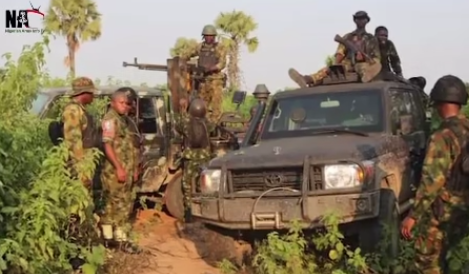
Nigerian security forces have rescued another 38 worshipers who were abducted during worship after gunmen attacked them in Kwara State on November 18.
The attackers pointed to a motive for the kidnapping and demanded a ransom of 100 million naira (approximately $69,000) for each worshiper. However, CAN labeled the abduction and attack a religiously motivated incident.
“We note with deep concern that the elk attack has reinforced a pattern of repeated attacks against Christians in vulnerable areas, an issue that CAN has consistently raised with government authorities and the international community. While the response of authorities has often dismissed concerns of targeted violence, the frequency and intensity of these incidents continues to cause legitimate national and global alarm,” said Archbishop Daniel Okoh, president of the association.
Mr. Tinubu promised to deploy more security personnel in troubled areas to combat the spike in abductions and killings across the country. Following the new abduction, he canceled his attendance at the G20 summit in South Africa in November.
“Let me be clear: I will not relent. Every Nigerian has the right to security in any state. On my watch, we will make this country safe and protect our people,” the president vowed.
US steps up pressure on Nigeria
The US government has increased pressure on Nigeria to end a wave of killings and attacks on Christians and Christian institutions.
Jonathan Pratt, a senior official in the U.S. Department of State’s Africa Bureau, said plans are underway to force the Nigerian government to take action against religiously motivated violence.
“The Trump administration is developing a plan to encourage and compel the Nigerian government to strengthen protections for Christian communities and improve religious freedom,” Pratt told the U.S. House Foreign Affairs Committee. “This plan will consider not only the U.S. Department of State and Treasury’s commitment to sanctions, but also the potential involvement of the Department of Defense in counterterrorism and other efforts to protect religious communities.”
He explained that the Secretary of State has directed the department to develop a comprehensive plan using “all the tools at our disposal,” including security assistance and Department of Defense resources.
He disclosed that security assistance would be provided to the Nigerian government with specific guidance on how to deploy those resources.
“We are in high-level dialogue with them again this week, including at the highest level. We are planning dialogue on the ground through local embassy and other visits to ensure that Nigerians hear our very important message that they must do better,” Platt concluded.
President Donald Trump re-designated Nigeria as a country of special concern in October following reports of purported persecution of Christians. Since then, the country has been divided over whether the violence in northern Nigeria is specifically religiously motivated or reflects broader security challenges.
