


Young Islamists attacked a church building in Indonesia, sparking a melee that threatened to draw Christian militias to its defense, officials said.
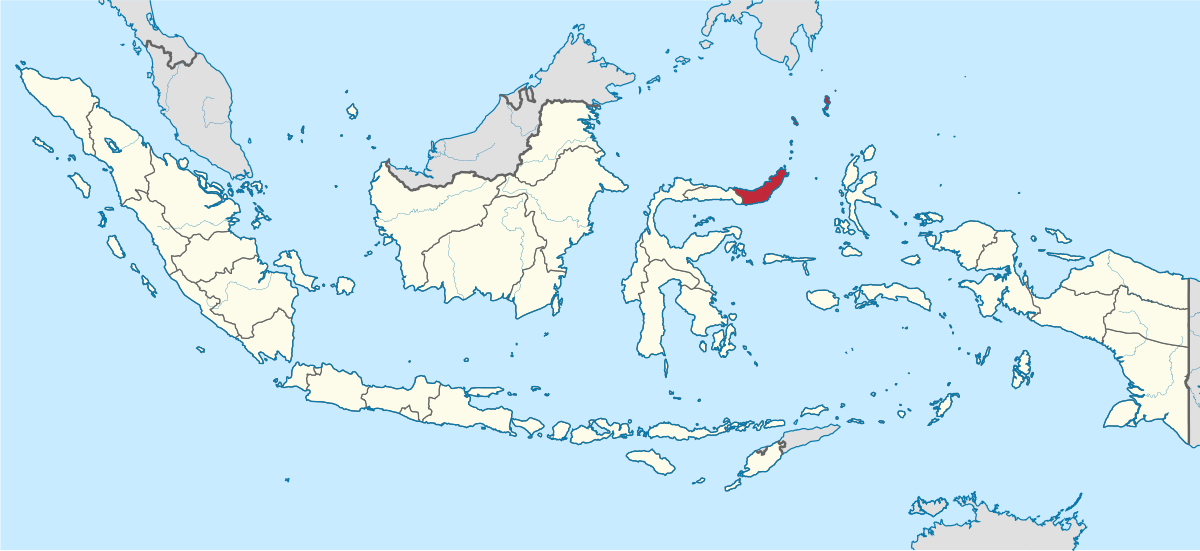
According to Jawaban.com, in North Sulawesi province, at around 1 a.m. on November 30, young Muslims from Moronpaa village, together with Muslims from outside the region, threw stones at the worship center of Saylo Waturini Christian Evangelical Church (Geleja Masehi Injiri di Minahasa, GMIM) in Minahasa, in Waturini village, Berang District, southeastern Minahasa Regency.
According to SulutZone.com, two Muslim assailants from outside both villages brandished sharp weapons, and in the ensuing scuffle two Christian youths from Waturini village were injured, and the assailants set off firecrackers near the church’s security post. Windows in several churches were broken.
In retaliation, an angry mob of Christians later set fire to a security post in the village of Moronpar, according to BeritaManado.com.
According to SulutZona.com, a video of the altercation at the church was widely circulated that morning, and Pojoksatu.id reported that it caused unrest among the congregation and increased tensions between residents of two neighboring villages.
“In a short period of time, tensions spread to Moronpaa village and mobilization of residents from both sides began,” Pojoksatu.id reported.
According to BeritaManado.com, police have reportedly named 10 suspects in a “gang war” between the two villages. North Sulawesi Regional Police Chief Alamsha Parlian Hasibuan said police had detained and interrogated two Muslims from outside the area who were in possession of sharp weapons.
Condemnation of the violence spread across social media under the hashtag #PrayForGMIMSilo, calling on communities to maintain a peaceful atmosphere, be filled with a spirit of solidarity and not to succumb to provocations.
Police responded quickly, deploying large numbers of officers and urging residents of both villages to exercise restraint and ignore inflammatory rumors on social media. North Minaja Surgency Police Chief Handko Sanjaya said an investigation into the church vandalism was ongoing.
One of the Christian militias formed on Sulawesi several decades ago when protection from Muslim genocide was imposed. According to Manadorin.com, James Sumendap, commander of the GMIM Council’s Panj Joshua militia, instructed his troops to assemble in the nearby Ramet Latahan district around 8 a.m., and from there proceeded to the church grounds to pray and monitor the situation.
In addition to liaising with several key church figures and militia groups, Mr. Smendap assigned his deputy, Henrik Mamuaya, to be in charge of liaising with relevant parties. Mamuaya said he learned that the church of Sailo Waturny had been affected by an incident previously on June 26, 2006, and as a result had agreed to resolve the dispute.
“I think it’s time to urge the police to take action, to review the agreement reached by both sides and to take firm action against those who violate the agreement and try to provoke,” Mamuaya, also known as Endi, reportedly said.
On November 30, a woman who identified herself as Nar Hendricks, the leader of the Manguni militia, also mobilized personnel, according to a broadcast on the Pavel 88 channel.
“These are the people who are trying to destroy tolerance in North Sulawesi,” Hendricks said. “Therefore, I, Nar Hendrix, order my forces to join forces with all forces, traditional and non-traditional, to take action.”
The Youth Service Committee of the GMIM Silo Conference issued a press statement condemning the destruction.
“We strongly condemn all forms of violence and the destruction of places of worship that violate humanitarian and legal values,” the group said, urging police to conduct a thorough, transparent and fair investigation and calling on residents to refrain from provocation.
However, that afternoon, Muslim youths resumed their provocation at the church, with videos posted on social media showing residents of the two villages shouting at each other inside the church grounds.
According to Open Doors, Indonesian society has taken on a more conservative Islamic character in recent years, putting evangelistic churches at risk of becoming targets for Islamic extremist groups.
