


Many individuals and families seek to serve others and donate to those in need during the Christmas season.
Throughout its history, the Relief Society of The Church of Jesus Christ of Latter-day Saints has sought to bring relief to people around the world.
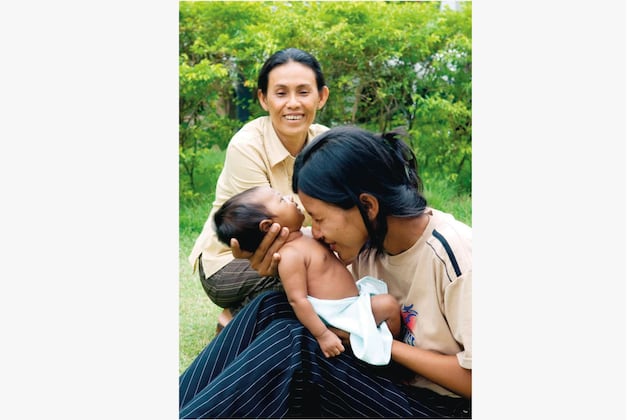
In 2024, the Relief Society General Presidency expanded its global efforts to improve the health and well-being of women and children around the world through maternal and newborn care, child nutrition initiatives, immunizations, and education around the world.
“Progress in the world begins by feeding children and strengthening women,” said Relief Society general president Camille N. Johnson. “When we celebrate women, we celebrate our families, our communities, and our nations. When we celebrate our children, we invest in our future.”
Today, Relief Society women can participate in these efforts in their own communities. Those who follow the Savior’s commandments to care for those in need are part of this worldwide effort to provide the Savior’s relief to those closest to us.
“If you tenderly care for your children, teach a friend to read, patiently attend to the needs of an elderly neighbor, cry with a sister who is grieving, prepare a meal for the sick, and serve like the Savior, you too are part of this global effort,” President Johnson said.
For examples of how to help in your own area, see caring.ChurchofJesusChrist.org and the 25 ideas first listed in Church News for June 2024 or listed again at the end of this article.
Examples of salvation throughout history
In 1876 the Relief Society began a wheat storage initiative. The wheat stores these women maintained were used when needed.
“The Church sent Relief Society wheat to American Indians in Utah, to survivors of the terrible earthquake and fire in San Francisco, California, in 1906, and to the starving people of China in 1907. Wheat also fed thousands during World War I, when the Relief Society sold 200,000 bushels to the U.S. government” (“Daughters in My Kingdom,” chapter 4).
In addition to wheat, the Relief Society sent bedding and clothing to San Francisco after the 1906 tragedy, and worked day and night packing railroad cars.
“Many people came to help the victims, but supplies from Relief Society women were the first to reach the city,” the Worldwide Relief Society post said. “They had prepared so diligently that they were ready to serve, the moment they heard this extraordinary call for help.”
The Relief Society founded Deseret Hospital in 1882 and Cottonwood Maternity Hospital in 1924 to reduce maternal and child mortality. Church historian Jessica M. Nelson explained in a World Relief Society post that in the early 1920s, led by Amy Brown Lyman, local Relief Societies worked with state and local health agencies to help families obtain resources and information about childbirth.
“When these reports come back in, we see that Relief Society was already making a difference,” Nelson said. “Thanks to Amy Brown Lyman and the Sisters of the Relief Society, we see far more women and children able to survive and thrive through childbirth.”
In 1896, Relief Society helped secure women’s right to vote in the Utah state constitution. In 1919, the Relief Society established the Relief Society Social Services Department to provide assistance to the community after World War I. It became part of the church welfare program in 1969.
In 1935, a 15-year-old girl struggled to care for her younger siblings and was doing her best to fulfill the role of a mother, explained a World Relief Society post. Her coat was worn and tattered. Taught to seek help from the Relief Society, she went to the Relief Society building in Salt Lake City. Not only did she receive a warm new coat, but her siblings were also given new bedding.
Relief Society general president Louise Y. Robison told this story in the Relief Society section of the April 1936 general conference, saying, “The Relief Society has never shirked its duty. Let us pray that the cries of widows and orphans will not turn against us to our Heavenly Father, so that we may assist those in need.”
In 1991, Relief Society began a literacy program targeting at-risk communities. In 2021, collaborations with community organizations that care for Black mothers and infants began in several U.S. cities. In 2023, Relief Society partnered with UNICEF in Uganda to treat and educate malnutrition, and in 2024, expanded global efforts to improve the well-being of women and children.
To learn more about how Relief Society has provided relief throughout history, read Daughters of My Kingdom: The History and Work of Relief Society in the Gospel Library.
25 ways to join the global effort for women and children
Supporting literacy and education for women and children by identifying and combating barriers in communities. Help children read aloud. Nothing improves a child’s cognitive abilities like reading with an adult who cares about them. Find out what local issues are preventing new mothers from accessing prenatal care. Try to address those challenges. Dance, jump, climb and play on the floor with your kids. Physical activity helps children develop their brains and strengthen their growing bodies. Plant a garden and share the produce with your neighbors. Invite the children to take care of the garden too. Learn how to preserve food so you can eat it even when it’s out of season. If possible, set aside nonperishable foods to build an emergency stockpile. Learn what you can do to help families who rely on food stamps in your community and help address that challenge. We work with local governments to ensure access to local clean water, air, and food sources is free from contaminants and impurities. Plan Relief Society activities that provide support and education related to global initiative efforts, and talk to your Relief Society about ways to get involved. If possible, exclusively breastfeed your newborn for the first six months of life. Start feeding your baby nutritious food at 6 months of age and continue breastfeeding for at least a year to supplement your baby’s nutritional needs. We ensure a private and supportive environment in our church and work with mothers who are breastfeeding or pumping. Encourage regular health checkups to ensure you receive the care you need, including preventive care, prenatal and postnatal care for pregnant women, and routine vaccines for children. Eat healthy food with your child. Ask your child to help select and prepare meals and snacks. Discuss the benefits of nutritious foods as you prepare together. Find snacks other than sugary treats for church activities, sports practice, and after-school snacks. Interact with infants and toddlers early and often. Making eye contact, talking, and playing with your baby creates strong connections in your baby’s brain. Help your child with homework after school. Give a book as a gift and share why you chose it specifically for that person. Having books at home provides an opportunity to learn and develop. Support your local lending library and other free resources with books. Talk to your local schools about your nutritious meal and snack goals. Think about what parents and the community can do to help. Talk to your kids early and often. Invite children to tell stories and share their stories. Increase your children’s self-esteem by helping them recognize their gifts and talents. Help children use their gifts and talents to bless others. Give your children responsibilities at home so they can value work, learn the importance of teamwork and independence, and build self-esteem. Fast and donate money. One simple way to help is to withhold food so others can eat. Join or contribute to JustServe’s projects that support women and children in your community.
