


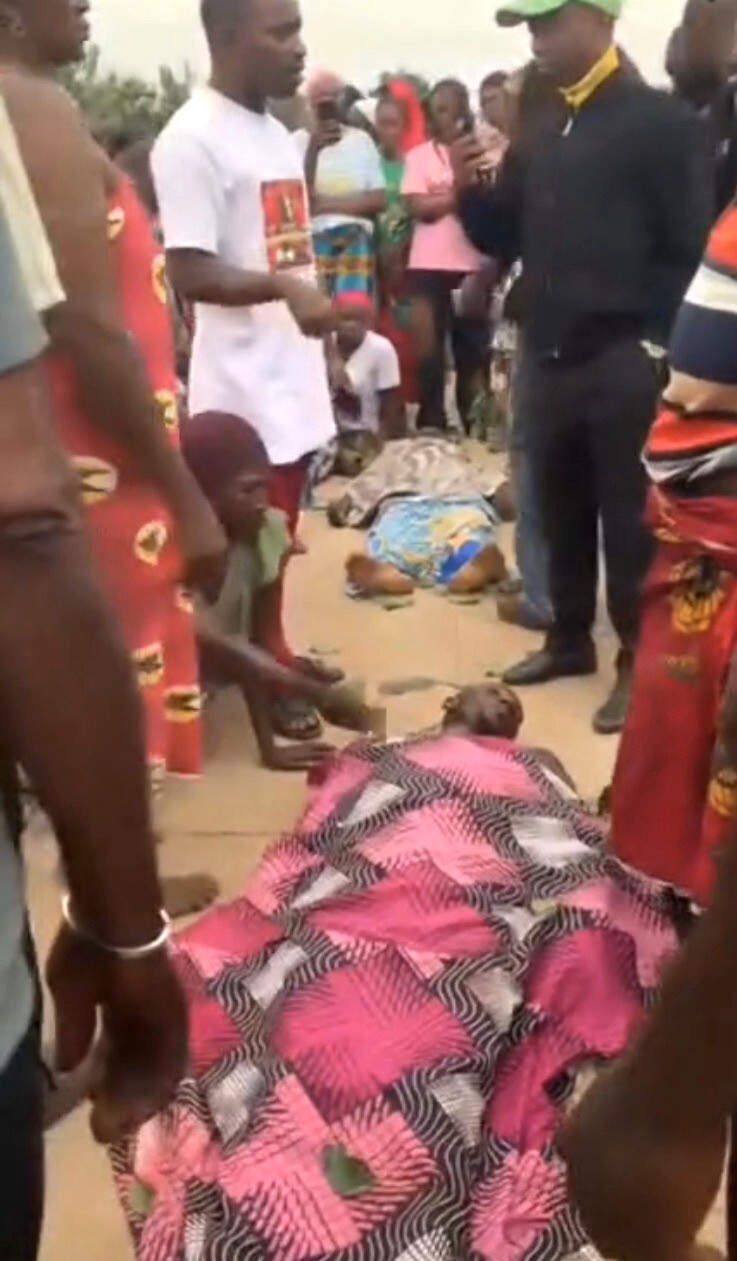
Fulani herdsmen on Thursday (6 November) killed two Christians in Nigeria’s Plateau state, sources said, following the massacre of 11 Christians in Nigeria’s Nasarawa state earlier in the week.
In Nasarawa state’s Christian-majority Keana district, Sarkin Noma village, herders invaded around 11 p.m. while residents were sleeping in their homes, killing two Christians and kidnapping another, said Dousima Tse, a resident of the area.
Another resident, Musa Adamu, admitted to the killing and kidnapping.
“The Keana Local Government Area is no longer safe,” Adamau said. “Our peaceful home, where we enjoyed all the comforts, has turned into a den of armed robbers. Prior to Thursday night’s attack, a kidnapping incident occurred in the community of Giza, where a couple was abducted from their home, but so far there is no news about their whereabouts. We ask you to act quickly as a matter of urgency and assist security forces to restore peace in the community.”
Innocent James, a resident of the village, described the attackers in the Sarkin Noma attack as “armed groups believed to be Fulani herdsmen.”
On Friday (November 7), hundreds of villagers staged a protest against the killings, blocking the highway between Lafia city in Nasarawa state and Makurdi city in Benue state.
Plateau state massacre
In neighboring Plateau state in central Nigeria, Fulani herdsmen attacked Riyom and Mangu counties last Thursday (6 November), killing two Christians and earlier killing 11 others, residents said.
Jos-based lawyer Dalyop Solomon Mwantiri said Fulani men killed two Christians and injured five others in the Christian-majority village of Rachi in Riyom County on Thursday night (6 November), identifying one of those killed as Dalyop Danyan.
“This attack is part of a renewed wave of organized violence in Riyom and neighboring local government areas,” Mwantiri said in a press statement. “We can’t let the attacks go unchecked.”
He said the government must act decisively to protect communities and restore security.
“Some residents said the attack took place after armed groups arrived in the area,” Mwanthiri said. “It is a cause for concern that previous designations and warnings have done little to deter further violence.”
On Saturday (November 1), six residents of Kwi village in Riyom County were killed in another attack by Fulani insurgents, he said.
“The incident occurred at approximately 9:50 p.m. and was followed by a shooting earlier in the day in which Mr. Clan Daniel was killed while harvesting corn at approximately 4 p.m.,” he said. “The attackers arrived on motorbikes and are believed to have come from Fas, a settlement in the province.”
On Sunday (November 2), Fulani herdsmen killed Christian farmer Bitrus Dakwan as he slept in his home in the Christian-majority Kubong village of Mangu County, said John Maikudi, a resident of the area.
Similarly, in Mangu district, Fulani herdsmen attacked the village of Pusit on October 31, killing three Christians, said Friday Dhawan, a local leader.
“It is sad to warn the nation that Fulani herdsmen have once again attacked the Pusit community and killed three Christians,” Dhawan said. “We call on the local government and security forces in Plateau State to rise to the challenge of curbing unwarranted attacks on innocent lives.”
The Fulani, a predominantly Muslim group of millions in Nigeria and the Sahel region, are made up of hundreds of clans of various lineages that do not hold extremist views, although some Fulani espouse radical Islamist ideology, Britain’s All Party Parliamentary Group for International Freedom or Belief (APPG) said in a 2020 report.
“They have adopted strategies comparable to Boko Haram and ISWAP, and have demonstrated a clear intent to target Christians and powerful symbols of Christian identity,” the APPG report said.
Christian leaders in Nigeria say they believe herdsmen’s attacks on Christian communities in Nigeria’s Middle Belt are inspired by a desire to forcibly occupy Christian lands and impose Islam, as desertification makes it difficult to maintain herds.
Nigeria remains one of the most dangerous places on earth to be a Christian, according to Open Doors’ 2025 World Watch List of the Most Difficult Countries to Be a Christian. According to WWL, of the 4,476 Christians killed for their faith around the world during the reporting period, 3,100 (69 percent) were in Nigeria.
“Countermeasures against anti-Christian violence in this country have already reached maximum levels based on the Global Watch List methodology,” the report said.
The report said that in the north-central region, which has a larger Christian population than the northeast and northwest, Fulani Islamist militias attacked rural villages, killing hundreds of people, especially Christians. Jihadist groups such as Boko Haram and the Islamic State of West Africa Province (ISWAP), among others, are also active in the country’s northern provinces, which are poorly controlled by the federal government, and Christians and their communities continue to be targeted for attacks, sexual violence, and barricaded killings, the report said. Kidnappings for ransom have increased significantly in recent years.
Violence has spread to southern provinces, and in the northwest a new jihadist terrorist group, Laklawa, has emerged with advanced weaponry and a radical Islamist agenda, WWL said. Raqlawa is affiliated with Jamaah Nusrat ul-Islam wa al-Muslim (JNIM), an expansionist al-Qaeda rebel group originating from Mali.
Nigeria ranked 7th on the 2025 WWL list of the 50 most difficult countries to be a Christian.
